Unveiling Japan’s Unique Matsuri Festivals: A Cultural Odyssey
Japan, an archipelago rich in culture and tradition, is known globally for its captivating Matsuri festivals, which are vibrant celebrations that reflect the deep-rooted heritage of its various regions. These festivals, stemming from Japan’s ancient Shinto beliefs, serve as a way for communities to express gratitude to the gods, celebrate seasonal changes, and fortify communal bonds. Each Matsuri is an emblem of cultural expression, offering visitors an unparalleled glimpse into the soul of Japan.
The Essence of Matsuri Festivals
Matsuri actually means ‘festival’ in Japanese, and these events are characterized by lively parades, traditional clothing, spectacular floats, and, of course, delicious food. Each Matsuri has its own unique history, rituals, and customs, inviting both locals and tourists alike to engage in this immersive cultural experience. The joyous atmosphere during these events is palpable, as communities come together, making it essential for anyone visiting Japan to witness at least one of these spectacular gatherings.
Throughout the year, Japan transforms as localities hold their own Matsuri festivals, often featuring intricate dances, religious ceremonies, and lively performances. This not only allows participants to pay homage to their rich history but also brings people together, fostering a sense of community and belonging. As you wander through the streets filled with the sounds of traditional music and the scents of local delicacies, you’ll feel a unique connection to the people and culture of Japan.
1. The Tokiwa Matsuri – A Timeless Celebration
Among the top festivals is the Tokiwa Matsuri held in Tokiwa City, known for its enchanting display of floats and costumes reflecting traditional Japanese culture. People from around the region gather in colorful yukatas, adorning themselves with decorative accessories to mark the occasion. The festival not only showcases spectacular parades but also includes performances of traditional dances, thus preserving and passing down their cultural heritage. Each float in the Tokiwa Matsuri tells a story, making it a living art gallery on wheels.
2. The Electric Energy of the Gion Matsuri
For those drawn to Kyoto, the Gion Matsuri is essential. Celebrated in July, this historic festival showcases impressive floats called yamaboko, many of which are hundreds of years old. The festival’s origins date back to 869 AD, tracing its roots to a purification ritual to appease the gods during an epidemic. Over the centuries, it has grown into a month-long celebration, highlighted by events like the Yamaboko Junko procession, where beautifully decorated floats are paraded through the streets. Participants wear traditional yukata, adding an even more authentic feel to this iconic festival.
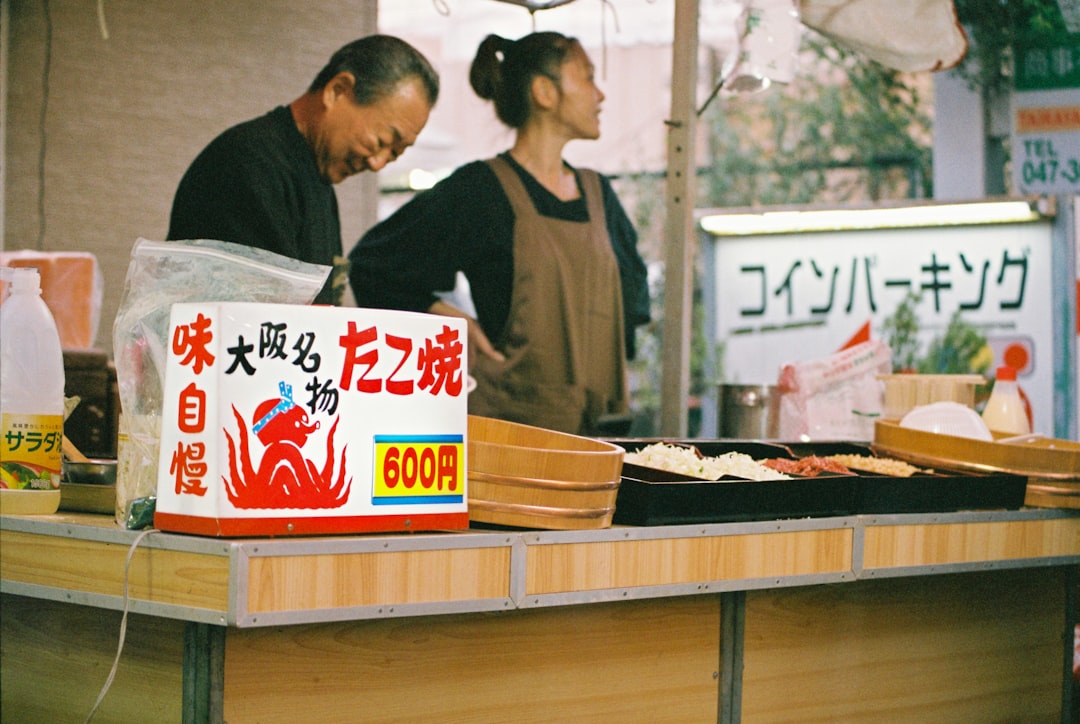
During Gion Matsuri, many delicious local foods are also available, from yaki-tori to various refreshing drinks. The enticing culinary offerings create an appealing atmosphere for both locals and visitors, inviting all to sample the rich flavors of Kyoto. Street vendors line the paths offering delicacies that have been cherished for generations, enabling festival-goers to indulge in the gastronomic heritage of the region.
3. The Kanda Matsuri: Where Tradition Meets Festivity
Located in Tokyo, the Kanda Matsuri alternates annually with the Sanja Matsuri and features a massive procession of mikoshi (portable shrines) alongside lively dance performances. Taking place in May, it summons thousands of participants who parade through the city, drenched in vibrant colors, traditional sounds of drums, and excitement. This festival reflects the deep connection between the people and the divine, emphasizing Japan’s spiritual heritage. It celebrates a deep-rooted belief that the prosperity of the city is intertwined with the blessings of the gods.
The Kanda Matsuri additionally allows for a culinary exploration with food stalls offering delicious meals, making it a feast for both the eyes and palate! Traditional fare like onigiri and takoyaki fills the air with an enticing aroma, complementing the visual spectacle of the procession. The sense of unity, excitement, and joy creates an unforgettable atmosphere that echoes through the heart of Tokyo.

4. The Historical Significance of Aoi Matsuri
Families can take a deep dive into Kyoto’s history with the enchanting Aoi Matsuri, revered as one of the oldest festivals in Japan. Reestablished in 646 AD, Aoi Matsuri continues to capture the essence of Japanese traditions. Held on May 15, this festival features participants dressed in Heian-era clothing, making their way to the Shimogamo Shrine and the Kamigamo Shrine in a procession. The juxtaposition of ancient attire in a modern world is a breathtaking sight, transporting onlookers back in time.
Visitors revel in the serene yet elaborate aesthetic of the festival while learning about the customs that have influenced Japanese culture through the ages. The gentle fans, Aoi leaves, and ceremonial purity represented in this festival make it a peaceful retreat into history, where the spirituality of Japan illuminates the present.

5. Explore More Matsuri Festivals Across Japan
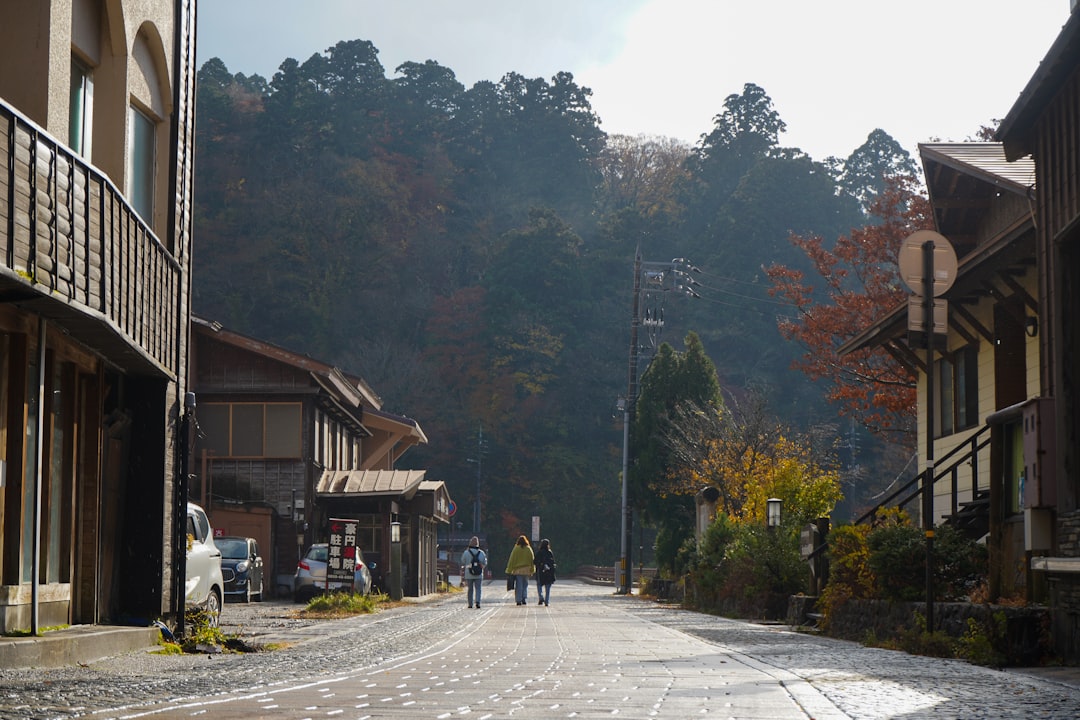
From the snow-covered landscapes of Otaru’s Snow Light Path Festival to the fiery passion of the Omizutori Festival, there are countless Matsuri festivals across Japan, each unique in theme and celebration. These festivals can range from raucous to serene, showcasing local traditions, seasonal changes, and the creativity of the community. Visitors can immerse themselves not only in ancient traditions but also witness the harmony of modern-day festivities.
As you experience these festivals, don’t miss booking your local tours through:
Further enhancing your travel experience, consider planning ahead with platforms like:
Lastly, to uncover even more hidden gems during your adventure in Japan, visit:


The Matsuri festivals of Japan present an unparalleled opportunity to connect with its cultural spirit, allowing travelers to appreciate the beauty of community, history, and religious devotion. As you embark on your journey through the country, ensure that your travel itinerary aligns with these fascinating festivals to absorb the rich tapestry of Japan’s vibrant culture. Traveling to Japan without experiencing a Matsuri festival is like reading a book from its last chapter; you miss the journey that defines the essence of its society.
During your travels, immerse yourself by participating in various activities associated with each festival. Try your hand at traditional crafts, partake in local games, or savor regional delicacies that delight the senses. Encounters with friendly locals will adorn your experiences even more, and the warm hospitality of the Japanese community will surely make your adventure unforgettable.
In conclusion, the Matsuri of Japan serves as a gateway not only to its rich heritage but also to the evolving narrative of its people. With each festival, you weave through stories of resilience, celebration, and spirituality. Take the time to relish these moments, and the spirit of the Matsuri will leave an indelible mark on your heart, forever connecting you to the enchanting world of Japan.