Welcome to Nara: The Cultural Heart of Japan
Nara, the first capital of Japan, is a city that beautifully reflects the heritage and traditions of Japanese culture. Located just a short train ride from Osaka and Kyoto, it holds some of the country’s most treasured historical sites, stunning natural beauty, and a unique sense of tranquility. Nara is a place where history reverberates through every temple bell and wooden beam. The rich tapestry of Nara’s history and cultural significance makes it a must-visit destination for anyone looking to truly experience the essence of Japan.
1. Historical Significance of Nara
Nara served as the capital of Japan from 710 to 784 AD, a period known as the Nara Period. During this time, Japan began to formulate its identity, drawing influences from China and Korea. The establishment of Buddhism deeply influenced the culture and architecture of Nara, evident in the exquisite temples and pagodas that dot the landscape. The legacy of the Nara Period is still palpable in the city’s layout and its architectural forms, with brilliant examples of ancient craftsmanship enduring through the centuries.
Today, Nara is home to several UNESCO World Heritage Sites, including the magnificent Todai-ji Temple, housing a giant bronze Buddha statue. Visitors are often amazed at the scale and beauty of this temple, representing the zenith of Nara’s historical importance. Other sites, such as the Kasuga-taisha Shrine and the ancient temples scattered across the city, echo the tales of a bygone era, each with its own story to tell and spiritual energy to imbibe.
2. Iconic Temples and Shrines
Exploring Nara’s cultural landmarks is an enriching experience. Here are a few of the most notable sites:
2.1 Todai-ji Temple
As mentioned, Todai-ji Temple is a highlight of Nara. Its Great Hall (Daibutsuden) is one of the world’s largest wooden buildings and houses the Daibutsu (Great Buddha), which stands at an impressive 15 meters tall. The intricate woodwork and the aura of solemnity make this temple a spiritual haven. Surrounding the temple is a tranquil park where visitors can meditate and appreciate the artistry of nature that complements this magnificent structure.
2.2 Kasuga-taisha Shrine
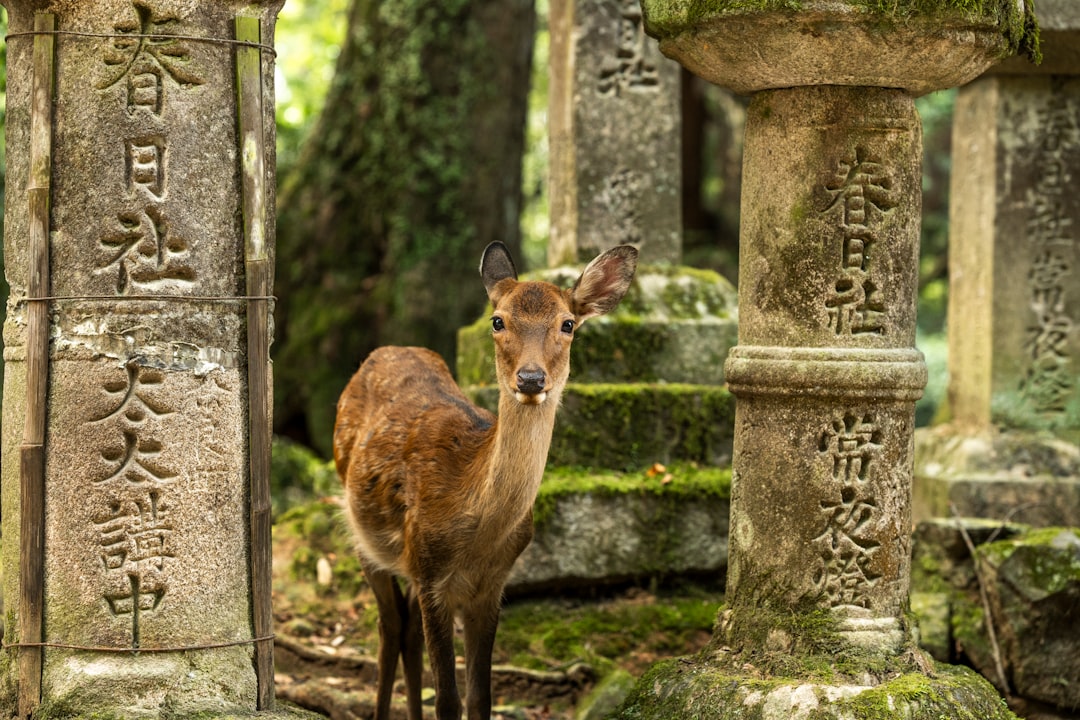
Adjacent to Nara Park, Kasuga-taisha Shrine is famous for its many bronze lanterns, which are lit twice a year during the Mantoro Festival. This Shinto shrine is also known for its beautiful forest backdrop, where visitors can glimpse the wildlife, including Nara’s friendly deer. The serene atmosphere surrounding the shrine enhances its spiritual significance, inviting visitors to step into a world where the natural and divine harmoniously coexist.
2.3 Hōryū-ji Temple
Designated as a UNESCO World Heritage Site, Hōryū-ji Temple boasts Japan’s oldest wooden structures, dating back to 607 AD. The architecture reflects the fusion of Japanese and foreign influences during its conception. The temple grounds are peaceful, offering a profound ambiance for reflection. Amidst the towering pagodas and tranquil gardens, visitors can discover the rich teachings of Buddhism that thrive within these ancient walls.
3. Nara Park: Home of the Sacred Deer
Nara Park is not just famous for its history but also for the friendly sika deer that roam freely around the area. These deer are considered messengers of the gods in the Shinto religion, making their presence in Nara even more special. With a relaxed demeanor, these animals add an element of charm and whimsy to the park, captivating travelers of all ages.
Visitors can interact with these gentle creatures, feeding them shika senbei (deer crackers) available at nearby stalls. The experience highlights a unique coexistence of nature and culture, where people and wildlife meet in harmony. It’s not uncommon to see a deer stopping for a selfie with delighted tourists, creating unforgettable memories and connections.
4. Culinary Delights of Nara
Nara also offers a delicious culinary journey featuring traditional dishes that reflect local ingredients and flavors. Here are some must-try foods that visitors should not miss:
4.1 Kakinoha Zushi
This local specialty is a type of sushi wrapped in persimmon leaves, giving it a unique flavor. Filled with mackerel or salmon and vinegared rice, it is an art form on its own, beautifully presented and exceptionally delicious. The taste is often enhanced by the delicate aroma of the leaves, which marinate the fish, creating a flavor that’s distinctly Nara.
4.2 Nara Soba
Another local favorite, Nara soba are buckwheat noodles that are deliciously chewy and often served chilled with dipping sauce. Hailing from the region, these soba noodles are perfect for hot summer days, providing a refreshing meal option. Pair it with some seasonal tempura for an authentic taste of Nara, creating a perfect balance of flavors that exemplifies Japanese culinary art.
4.3 Yamagata Beef
Nara is known for its high-quality beef, and trying it as performing grilled beef or in a hot pot is a culinary highlight for many visitors. The tender marbling and rich flavor of Yamagata beef are a must-try for meat lovers, providing an exquisite culinary experience that reflects the pride of local agriculture.
5. Festivals That Bring Nara to Life
Nara hosts various festivals throughout the year that showcase its rich cultural heritage. These vibrant celebrations allow locals and visitors alike to experience the traditions that have shaped the region for centuries. Two prominent festivals are:
5.1 Omizutori Festival
The Omizutori, held in March, is a unique festival that dates back to the 8th century. It symbolizes purification and is highlighted by the spectacular fire rituals performed at Todai-ji Temple. The ethereal glow of the fires contrasts beautifully with the night sky, creating an unforgettable sight. This festival draws crowds who come to witness the ritual and participate in the spiritual cleansing, making it a vibrant part of Nara’s cultural calendar.
5.2 Nara Tokae
Every summer, Nara Tokae features thousands of lanterns lighting up the night sky, casting a soft glow over the temples and gardens in Nara Park. The gentle light and the serene atmosphere create an enchanting festival that attracts many visitors, providing an opportunity for peaceful reflection and connection with nature. It’s a mesmerizing experience that blends nature and culture, perfect for evening strolls.
The combination of historical essence, natural beauty, and cultural festivals makes Nara an enchanting destination that captivates the heart of every traveler.
Nara encapsulates the essence of Japanese culture and history, boasting remarkable attractions that resonate with tradition and beauty. From its temples and shrines to the vibrant interactions with nature, Nara offers an enriching experience that lies beyond the typical tourist trail. In a world increasingly populated by modern distractions, Nara stands as a serene testament to the nation’s dedication to preserving its heritage.
For those eager to explore Japan’s rich heritage, we highly recommend booking guided tours that delve deeper into Nara’s fabulous attractions. Local guides provide invaluable insights and stories that enhance the experience, allowing visitors to appreciate Nara’s unparalleled beauty on a much deeper level.
This captivating city welcomes you with open arms, promising an adventure that will leave you with lasting memories and a profound respect for its historical significance and cultural vibrancy.