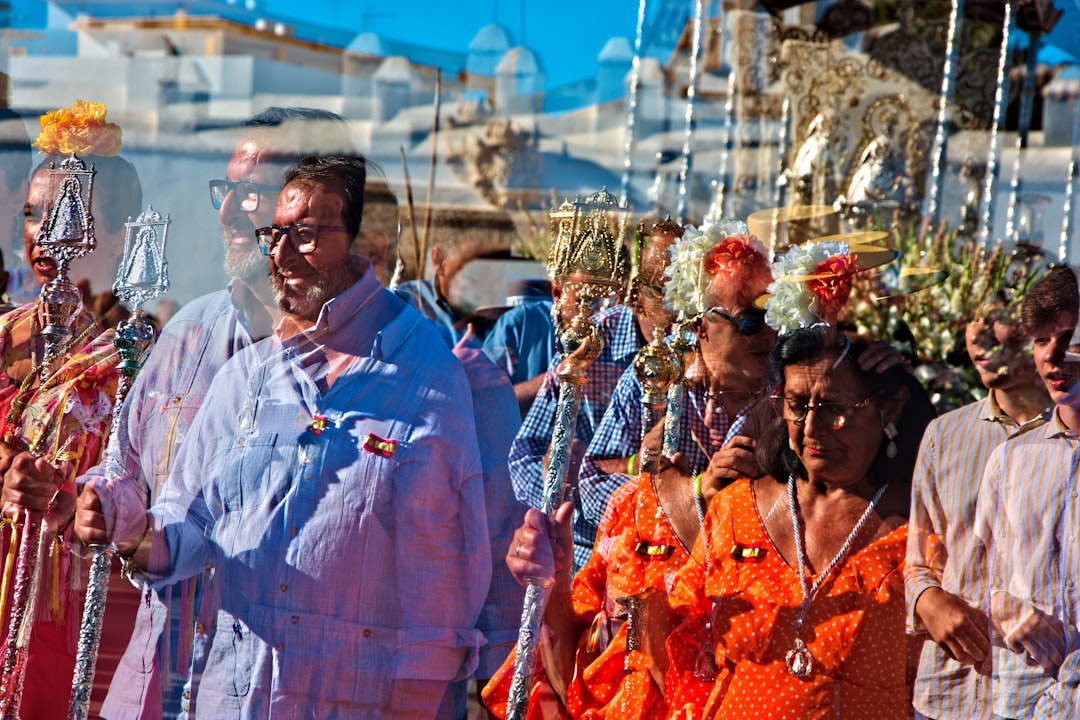
Introduction to Spain’s Vibrant Festivals
When it comes to embracing unique cultural identities, few countries can match the colorful festivals of Spain. These events offer a glimpse into the rich tapestry of traditions, regional diversity, and cultural pride found within its borders. From the fierce energy of the famous La Tomatina to the solemnity of Semana Santa, Spaniards gather to celebrate in ways that both locals and tourists cherish alike.
Let’s embark on a fascinating journey as we delve into the heart and soul of Spanish festivals, inviting you to experience the vibrant energy, rich history, and unforgettable memories they offer. Each festival is a unique celebration of culture that enables you to discover local customs and experience authentic Spanish hospitality. Through these festivities, you’ll gain insights into regional specialties, traditional dances, and culinary delights that tell the story of each region’s heritage.
1. La Tomatina: The Messiest Tomato Fight
Taking place annually on the last Wednesday of August in Buñol, La Tomatina is undoubtedly one of Spain’s most recognizable festivals, attracting over 20,000 participants each year. This cultural phenomenon involves throwing tomatoes at each other in a massive food fight that lasts for about an hour. But how did this colorfully chaotic event come to be?
While the origins are debated, a popular theory traces back to 1945, where a group of young people attempted to join a parade in Buñol, leading to a vegetable fight that spiraled out of control. This simple act of fun has evolved into a celebration of joy, laughter, and sheer silliness, bringing together people from all walks of life in a shared experience of hilarity and playfulness.
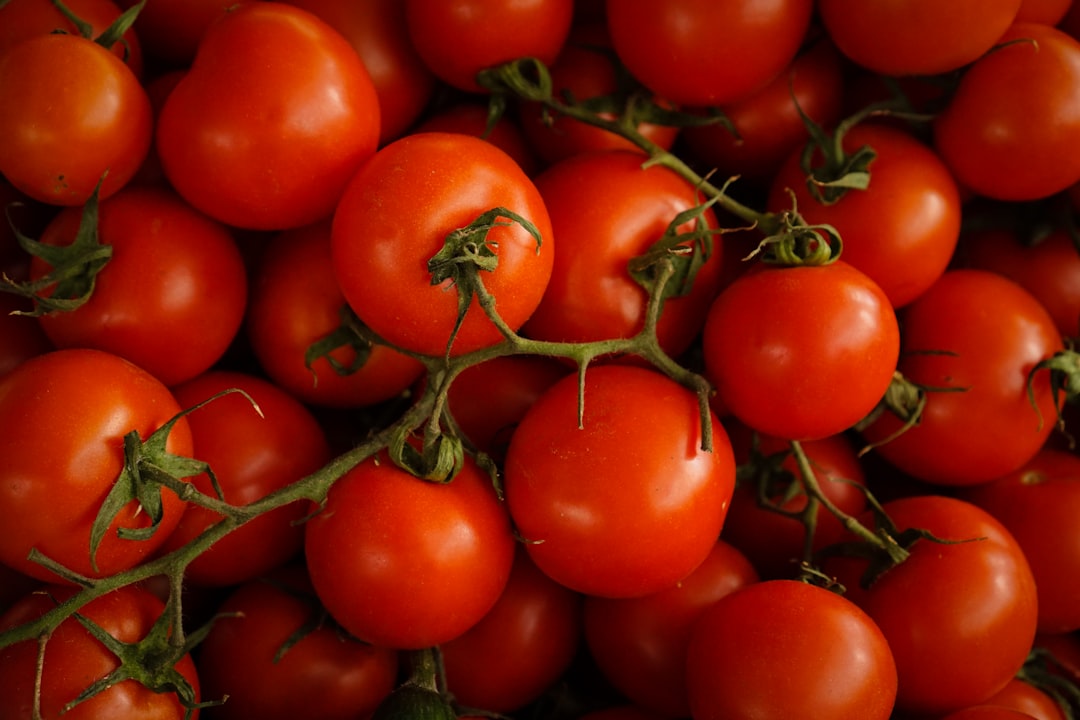
Tomato fight during La Tomatina festival
Participants enjoying La Tomatina tomatoes
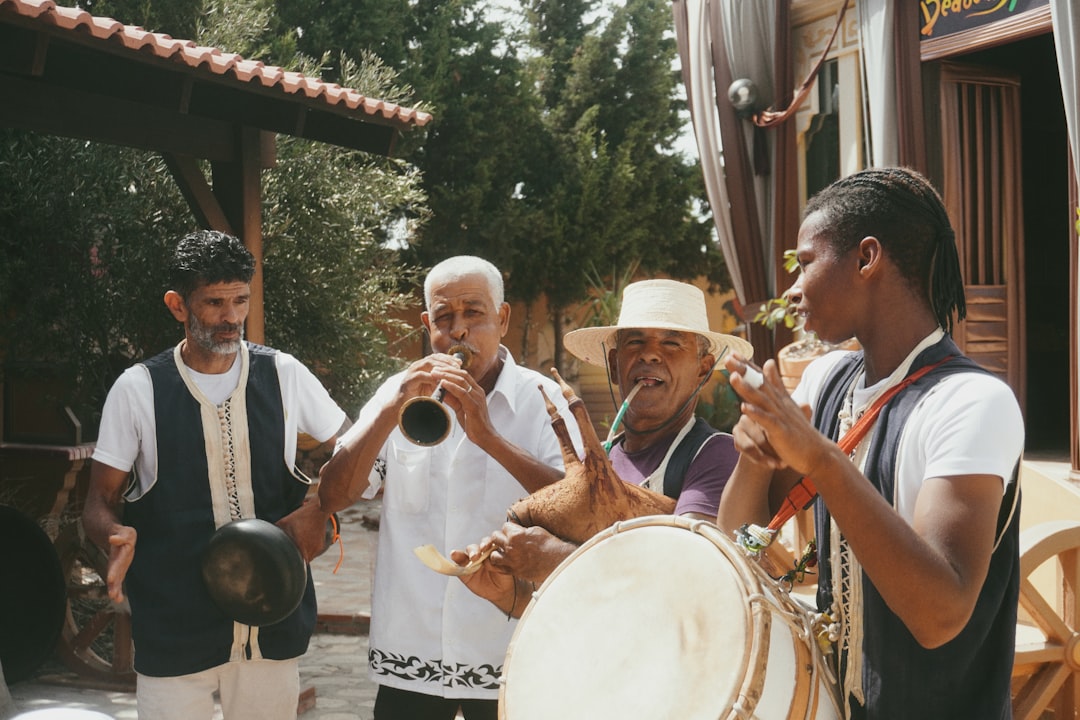
Crowd participating in La Tomatina tomato event
This extraordinary celebration isn’t just about tomatoes; it’s a symbol of community spirit, laughter, and unity. Finding a place to stay on this day can be tricky, so consider booking a tour that provides accommodations and a guided experience. Engaging with locals and other festival-goers will make your La Tomatina experience even more memorable, allowing you to share in the camaraderie and excitement that fills the air.
2. La Feria de Abril: The Colorful Spring Festival
Just two weeks after Semana Santa, Seville becomes a vivid tapestry of colors and sounds during the April Fair (La Feria de Abril). This week-long festival celebrates the arrival of spring and pays homage to traditional Andalusian culture. Visitors are immersed in a sea of vibrant lights that transform the city, with the fairgrounds filling with laughter, music, and traditional festivities.
The fairgrounds, known for its iconic “casetas” (temporary tents where families and friends gather), are filled with flamenco music, dancing, and mouthwatering tapas. Participants dress in traditional outfits, with women donning beautiful flamenco dresses that swirl with elegance, creating a picturesque setting unique to this time of year. The atmosphere is festive, full of joy, and abuzz with excitement as people gather to appreciate good food, dance, and music.


The lively atmosphere creates the perfect harmony of music, dance, and gastronomy, enticing visitors to partake in the celebrations. Don’t forget to experience a traditional horseback ride through Seville, an adventure filled with charm and beauty. As the sun sets, the fair takes on a different life, with colorful lights illuminating the grounds and creating a mesmerizing backdrop for evening festivities.
Learn more about unique experiences in Seville by visiting GetYourGuide for curated tours that dive deeper into local culture. Securing the best local dining experiences and attending flamenco shows can enhance your trip immensely.
3. San Fermín: The Famous Running of the Bulls
Most people worldwide recognize San Fermín, particularly for its bull run, which occurs in Pamplona from July 6th to 14th. This thrilling and daring event sees participants running alongside bulls through the city streets, showcasing a blend of adrenaline and tradition. The atmosphere is electric, drawing a diverse crowd that includes both seasoned bulls runners and first-timers eager to experience this exhilarating event.
But San Fermín is more than just its infamous bull run; it also encompasses a rich cultural heritage, characterized by parades, music, and fireworks. The festival honors Saint Fermín, the co-patron of Navarre, and embodies the spirit of the region’s proud tradition and identity. The Semana Grande festivities see locals and tourists alike joining in vibrant processions that fill the streets day and night with music and dance.

As you immerse yourself in the electrifying atmosphere, make sure to try local delicacies like chocolate con churros and enjoy the traditional pintxos served throughout the city. Sampling local cuisine is a highlight of the festival, with numerous stalls offering various delicious options that will tantalize your taste buds.
Taking part in this unmissable experience is simple; book your spot via G Adventures for a comprehensive tour that includes everything from introductions to local customs to guided visits through major highlights around Pamplona.


4. Semana Santa: The Holy Week Traditionally Celebrated
Semana Santa, or Holy Week, is not only religious but also a cultural highlight for many Spaniards. Practiced throughout the country, the processions during this week symbolize passion and spirituality while showcasing stunning art and history. The most renowned celebrations occur in Seville, Málaga, and Granada, capturing the heart of Spain’s spiritual and artistic legacy.
Elaborate floats depict scenes from the Passion of Christ, adorned with flowers and candles, carried by participants known as nazarenos. Each float, masterfully crafted, is a work of art in itself, often taking a year to produce. This moving experience invites visitors to witness Spain’s profound relationship with tradition and faith. The melodic sounds of hymns and the sight of beautifully cloaked figures evoke a sense of reverence and community spirit.
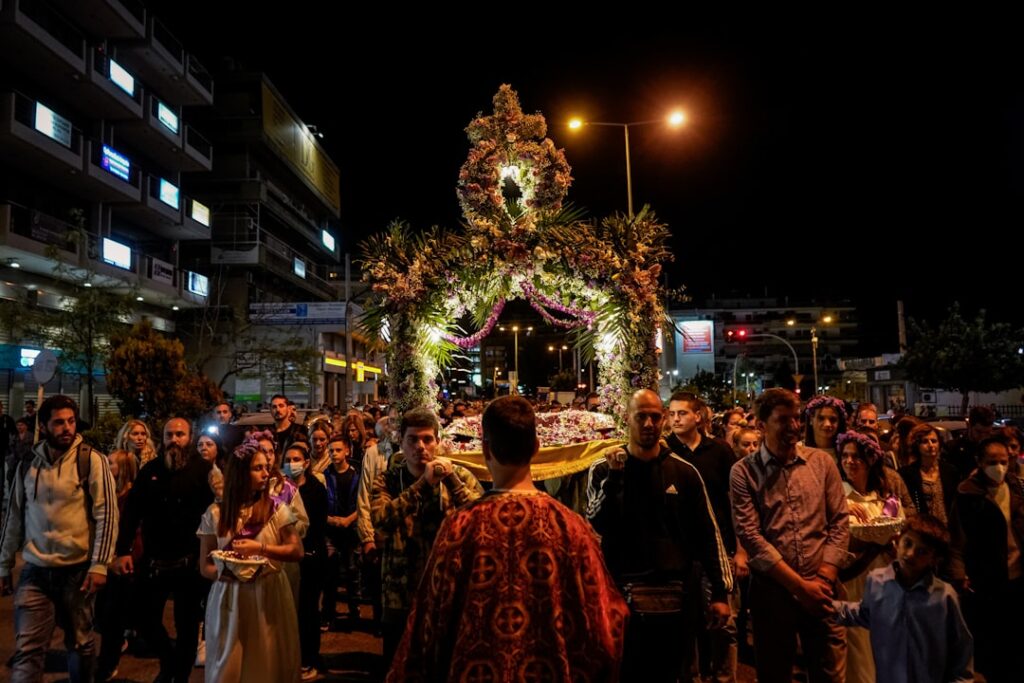
Málaga hosts one of the most spectacular Semana Santa processions, blending faith with cultural expression. Here, processions involve music bands that play solemn melodies, enhancing the overall experience and reminding participants of the importance of these deep-rooted traditions.
5. Conclusion: Experience Spain Through Its Festivities
Spain’s festivals, rich in culture and tradition, offer not just entertainment but also an opportunity to understand its people and passions. These unique cultural celebrations not only provide enjoyment but also create opportunities for intercultural exchange and deepening one’s understanding of Spain’s diverse regions.
Whether you’re dancing at the Feria, running with the bulls, or enjoying the messiness of La Tomatina, these events are deeply woven into the fabric of Spanish society. Each festival provides visitors with insights that can only be captured through immersion in these local customs.
To truly appreciate the warmth and vibrant spirit of Spain, it’s best experienced firsthand. So, pack your bags, mark your calendar, and get ready to explore these magical celebrations that will make your visit unforgettable!
In addition to the crowds and excitement, be sure to make time for the quiet moments – the quiet corners of a café, the sounds of clinking glasses, and the laughter of locals enjoying life. Each of these experiences will further enrich your understanding of the essence of Spanish culture, ensuring that your journey through Spain’s festivals is not just memorable, but transformative.