Introduction to Japan’s Matsuri Festivals
Japan is a land of rich traditions, stunning landscapes, and vibrant culture that captivates travelers from all over the world. Among the many facets that showcase its cultural wealth are the Matsuri festivals, celebrated throughout the year across various regions of the country. These festivals are more than mere celebrations; they represent a remarkable blend of history, spirituality, and community spirit. Through this article, we will take you on a journey through the fascinating world of Japan’s Matsuri festivals. We’ll highlight their significance, elaborate on the unique customs associated with them, and unveil the experiences they offer, making them a must-see for any traveler.
The Significance of Matsuri Festivals
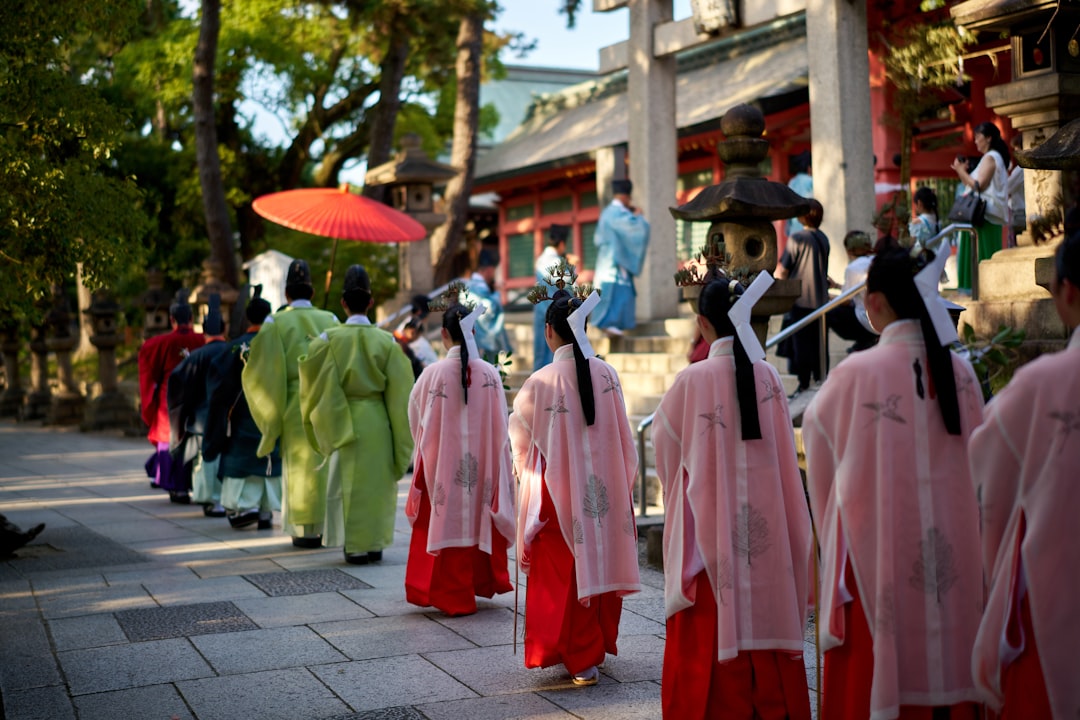
Matsuri, which translates to “festival” in Japanese, embodies the deep gratitude of the people towards deities, ancestors, and nature. Each Matsuri is infused with local culture and history, often correlating with agricultural cycles, seasonal transitions, or pivotal historical events. These festivals serve as a means to honor traditional beliefs while fostering a vibrant community spirit among participants and attendees.
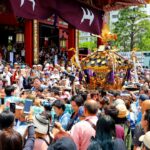
Overall, Matsuri festivals are characterized by spectacular parades, traditional music, vibrant dance performances, and, in certain instances, elaborately decorated floats or portable shrines known as mikoshi. With thousands of locals and tourists keen to immerse themselves in these joyous festivities, Matsuri stand as a significant cultural heritage of Japan.
Notable Matsuri Festivals Across Japan
1. Gion Matsuri (Kyoto)
One of the most famous Matsuri festivals is the Gion Matsuri, held in Kyoto throughout July. Its origins trace back to the 9th century, arising as a purification ritual aimed at appeasing the gods and putting an end to a horrible plague that struck the ancient capital. The culmination of the celebration features a grand parade with stunning yamaboko floats, exquisitely decorated and carried through the city streets. Visitors can enjoy not just the vibrant parade, but also experience the joy of traditional street food stalls, serene tea ceremonies, and ancient healing rituals scattered throughout this month-long celebration.
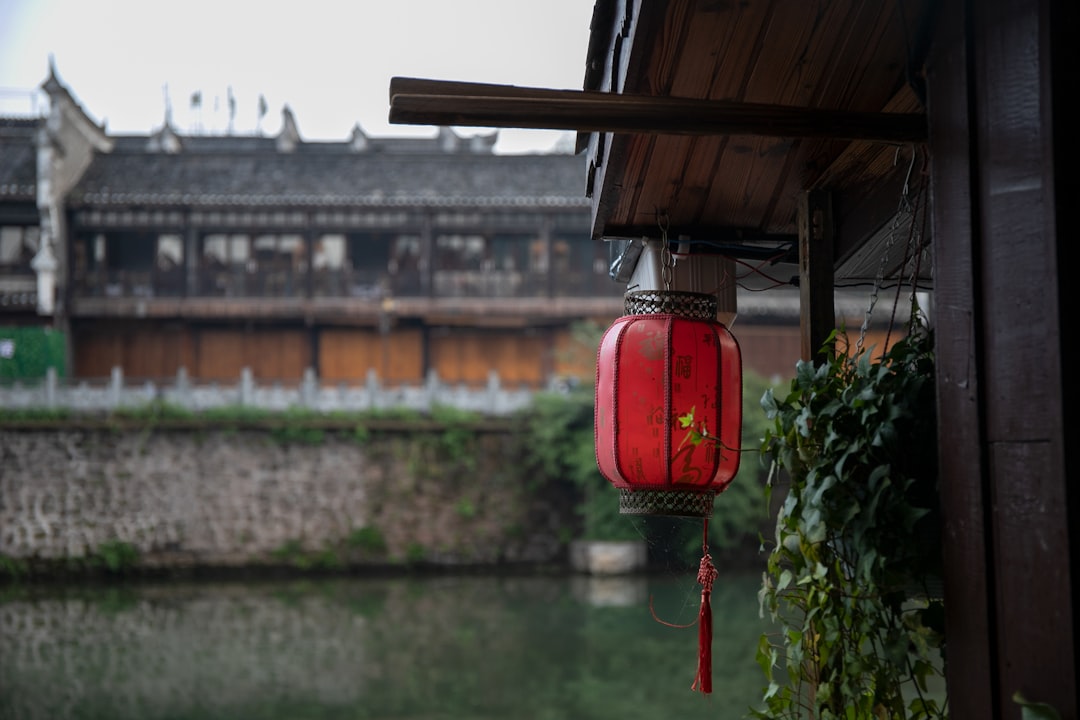
Gion Matsuri float in Kyoto
Attendees enjoying Nebuta Matsuri in Aomori
2. Nebuta Matsuri (Aomori)
Each August, Aomori City bursts into life with the Nebuta Matsuri, transforming the streets into a stunning spectacle filled with color and energy. Renowned for its large, illuminated floats depicting historical figures and legendary heroes, the festival parades through the streets with participants dressed in traditional haneto costumes dancing and singing, creating an electrifying atmosphere that is both exhilarating and deeply captivating. This festival is not just about beauty; it serves as a connection between community members and strengthens local pride and artistry.

Witness the electrifying Nebuta Matsuri, a breathtaking celebration of history and community spirit in Aomori.
3. Takayama Matsuri (Gifu)
The Takayama Matsuri, celebrated in both spring and autumn, is widely regarded as one of Japan’s most beautiful festivals, known for its ornate floats and lively atmosphere. Each float is an exquisite piece of art, adorned with intricate carvings and elaborate decorations, reflecting the craftsmanship of the region. Visitors arriving in Takayama during the festival can expect to see traditional Japanese performances, indulge in local delicacies, and participate in unique rituals that capture the festive essence.
Experiencing Matsuri Festivals
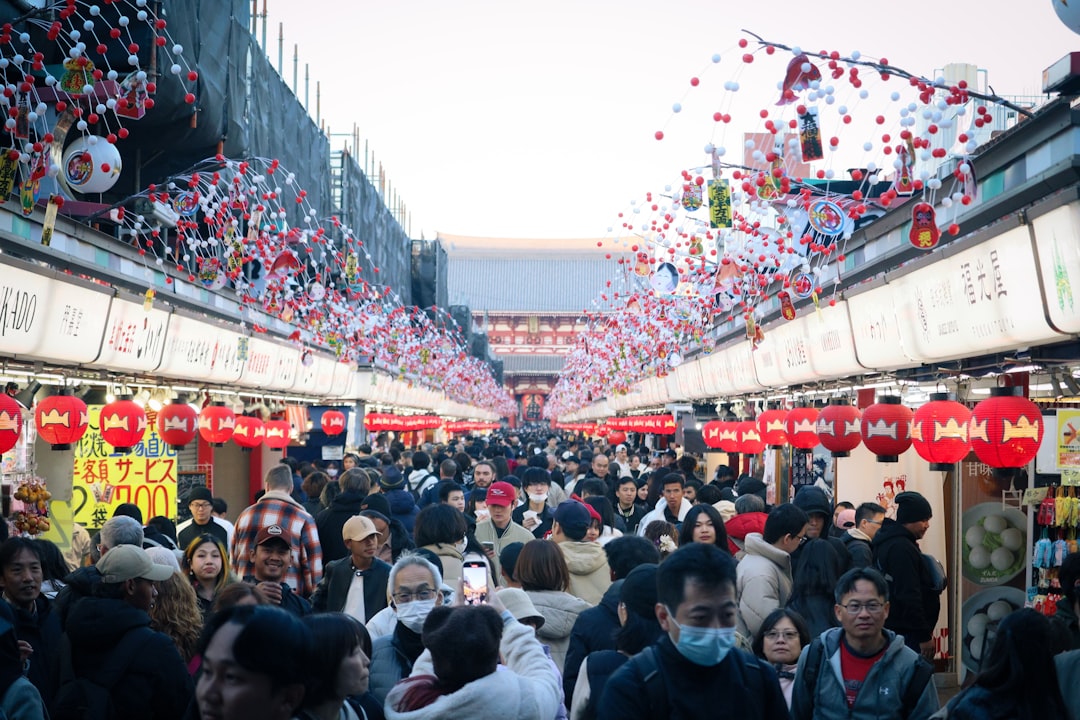
Attending Matsuri festivals provides travelers with an authentic experience that thoroughly embodies Japan’s traditional values and cultural heritage. From the vibrant parades alive with sound and color to the culinary indulgence of traditional festival food, there are numerous aspects to explore and appreciate that make this experience unforgettable:
- Engage with Locals: Establishing connections with local participants, storytellers, and artisans enriches your understanding of the festival’s significance and history. The stories shared by the locals can offer deeper insights into the roots and rituals surrounding each festival.
- Taste Traditional Dishes: Matsuri is an immersive feast! Don’t miss the opportunity to delight your palate with local delicacies such as yakitori (grilled chicken skewers), kakigori (shaved ice dessert), and festival-specific sweets unique to each Matsuri that are prepared and served during these jubilant celebrations.
- Participate and Learn: Many Matsuri festivals thrive on community involvement, welcoming visitors to participate in traditional activities such as dance, rituals, or even games. This aspect offers an enlightening hands-on cultural experience that truly deepens your appreciation for Japanese traditions.

Tips for Attending Matsuri Festivals
- Check the Festival Schedule: Matsuri festivals are seasonal, so be sure to check their dates and events in advance to effectively plan your visit. Many festivals may last for several days, so familiarize yourself with the activities to enjoy the full experience.
- Dress Appropriately: Wearing traditional attire like yukata (summer kimono) not only enhances your experience but also helps you blend in beautifully with the festive atmosphere. There are many places nearby where you can rent these traditional outfits for a day.
- Stay Respectful: It’s essential to remember that these festivals hold deep cultural significance. Engage with the locals and participate respectably, especially during formal rituals and ceremonies, understanding the traditions that date back centuries.
Conclusion
Japan’s Matsuri festivals offer an extraordinary opportunity to connect with the nation’s culture, traditions, and communal bonds. The colorful displays, energetic performances, and the strong sense of community truly encapsulate the heart and soul of Japan. Don’t miss the chance to participate in one of these vibrant cultural odysseys, rich with history and heritage, during your next visit to this beautiful country!
-

- Cultural activities during a Matsuri festival
-
- Local participants in traditional Matsuri costumes
-
- Japanese festival crowd enjoying events