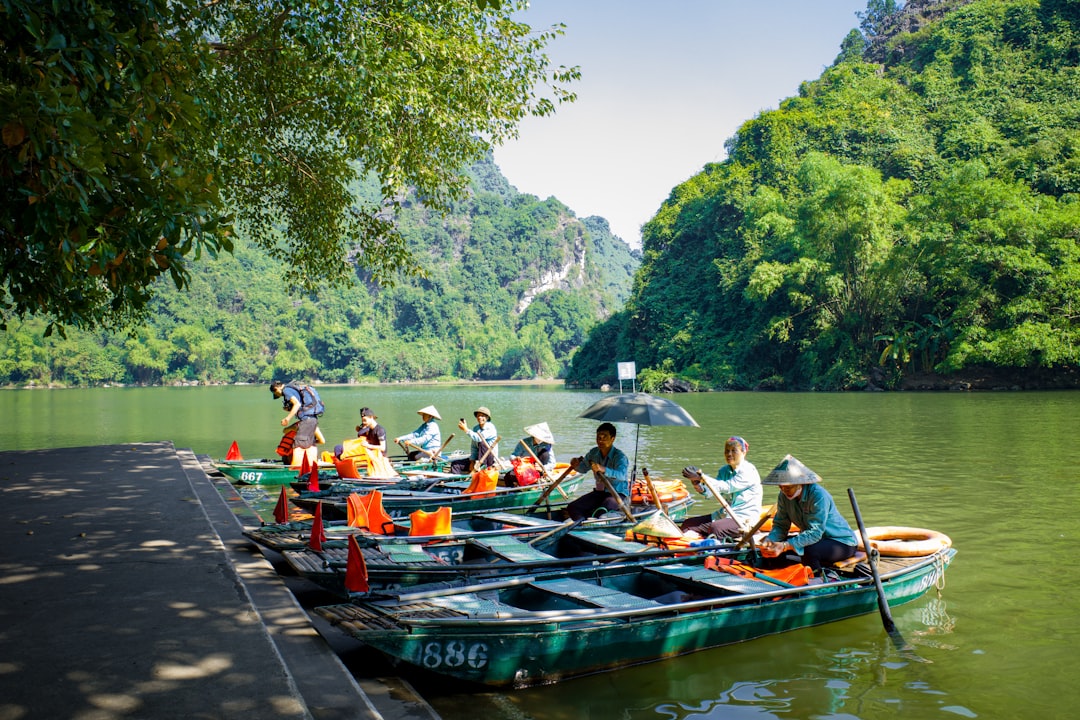
Introduction to Vietnam’s Vibrant Culture
As we step into 2026, Vietnam continues to captivate travelers with its unique cultural experiences that showcase the country’s vibrant traditions and rich heritage. From bustling cities to serene countryside villages, Vietnam offers a plethora of opportunities to immerse oneself in its customs and practices. This article will guide you through some of the most enchanting cultural experiences to be found across this stunning Southeast Asian nation, inviting you to explore both the well-trodden paths and the hidden gems that make this country a must-visit destination.
1. The Excitement of Tet Festival
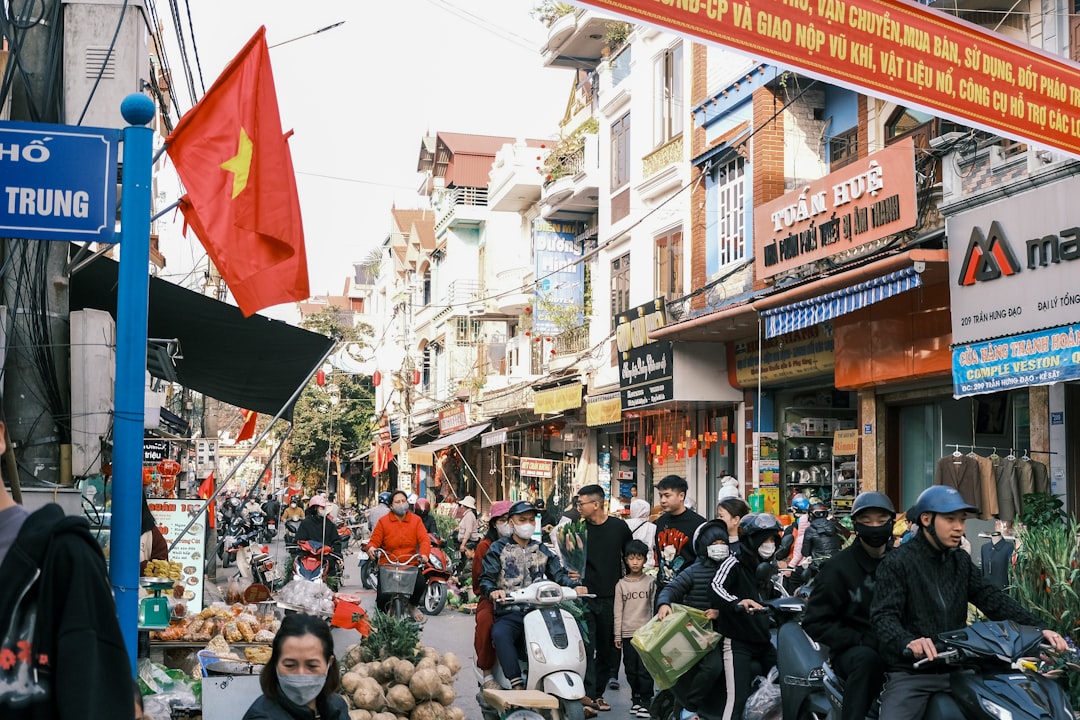
One of the most significant cultural experiences in Vietnam is the Tet Festival, or Lunar New Year, which takes place between January and February. Tet marks the arrival of spring and is a time for families to reunite, honor their ancestors, and celebrate new beginnings. The festive atmosphere is electric, with streets filled with vibrant flower markets, delicious traditional foods, and beautifully decorated homes adorned with red and gold, symbols of prosperity and happiness.
Visitors can participate in various Tet traditions, such as making Banh Chung (a square sticky rice cake) and offering prayers at local temples. Don’t miss the colorful parades and exhilarating lion dances that fill the streets! Throughout the cities and villages, you will find families preparing for the holiday, fostering an inviting and warm atmosphere that captures the essence of Vietnamese hospitality.
2. Experiencing Traditional Vietnamese Cuisine
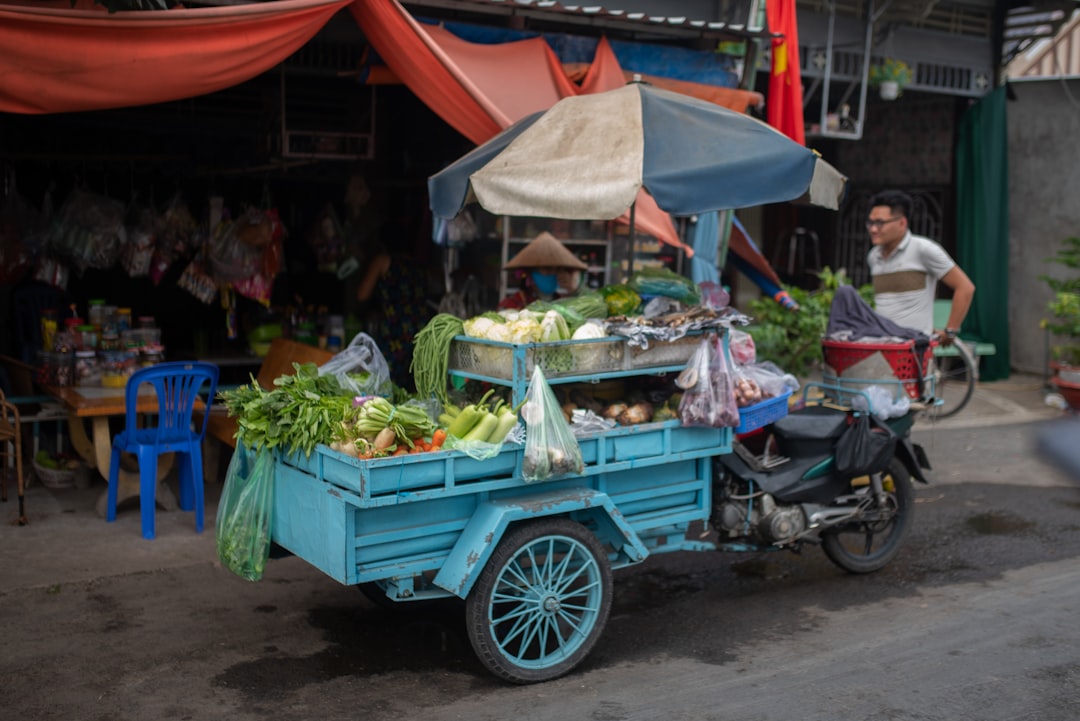
No exploration of Vietnam’s culture is complete without diving into its rich culinary landscape. Vietnamese cuisine is characterized by its fresh ingredients and balanced flavors, offering a culinary journey like none other. Iconic dishes such as pho, bánh mì, and gỏi cuốn are just the tip of the iceberg.
For a truly authentic experience, consider joining a cooking class, where you can learn to prepare these revered dishes under the guidance of local chefs. Not only will you gain valuable culinary skills, but this experience ensures you leave with a deeper appreciation of the country’s gastronomic heritage, as you discover the stories behind each dish and its significance in daily Vietnamese life.
3. Visiting Traditional Craft Villages
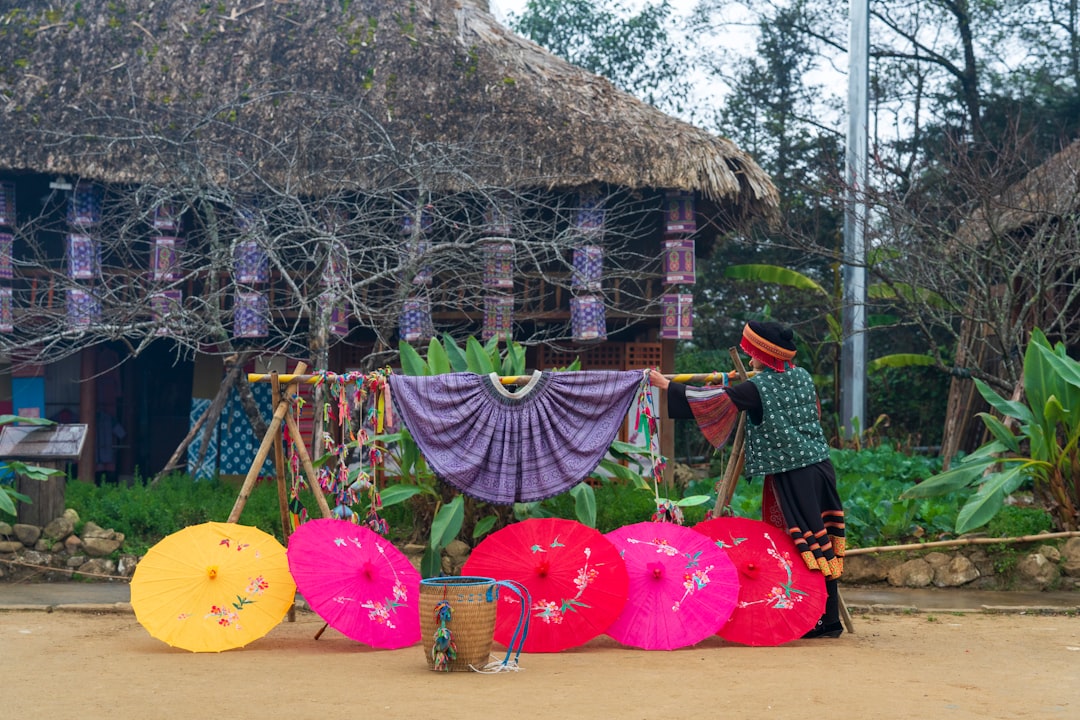
Every traveler should make time to explore Vietnam’s traditional craft villages, where artisans have preserved techniques passed down through generations. Notable villages include:
- Bat Trang: Renowned for its ceramics, visitors can observe potters at work and even try their hand at creating their own pottery, with workshops available for an immersive experience.
- Dong Ho: Famous for its woodblock prints, this village offers a glimpse into the artistic process of creating these vibrant pieces that reflect the local culture and folklore.
- Phu Vinh: Known for its bamboo crafts, visitors can witness the meticulous art of crafting beautiful items from this versatile material, ranging from household goods to intricate decor.
These villages not only provide insights into traditional craftsmanship but also offer you the chance to purchase unique souvenirs that support local artisans. Exploring these crafts can connect you with the heart and soul of Vietnamese heritage.
4. Cultural Festivals All Year Round
Throughout the year, Vietnam hosts numerous cultural festivals, each with its own unique significance and charm. Some notable festivals to consider visiting include:
- Hung Kings’ Festival: Celebrated in March, this festival honors the legendary founders of Vietnam and includes offerings and traditional games that highlight the country’s history.
- Mid-Autumn Festival: Held in September, families celebrate with mooncakes and lanterns, a delightful sight for visitors of all ages, signifying family reunion and prosperity.
- Da Lat Flower Festival: If you’re in Da Lat during January, don’t miss this floral wonderland featuring stunning displays and parades that celebrate the region’s breathtaking horticulture.
Each festival provides a window into the soul of Vietnam, showcasing the country’s customs, artistic expressions, and culinary delights, making it an enriching encounter for all who attend.
Exploring Vietnam's festivals is like traveling through a cultural tapestry, where every thread tells a unique story.
5. Engaging with Local Communities
Finally, the best way to experience Vietnam’s culture is by engaging with local communities. Participate in homestays or community-based tourism initiatives, allowing you to live alongside locals and understand their daily lives. This immersive experience not only enhances your travel experience but also fosters meaningful connections with the people you meet.
This can involve sharing traditional meals, learning local dialects, or even assisting in agricultural activities such as rice planting and harvesting. Such experiences are invaluable and offer an unparalleled glimpse into authentic Vietnamese culture, helping to preserve these communities and practices for future generations. You can immerse yourself in local life and, by doing so, gain insights into the socio-cultural dynamics at work.
For booking community experiences, consider platforms like Viator, which provides various options for cultural immersion tailored to your interests.
Conclusion
Vietnam in 2026 promises to be an extraordinary destination for travelers seeking deep cultural experiences. From vibrant festivals to delicious cuisine, engaging with local communities to exploring craft villages, the opportunities are limitless. Consider planning your journey, and unlock the rich experiences that await you in this captivating nation! As you prepare your itinerary, make sure to include a mix of urban exploration and rural adventure to capture the essence of Vietnam.
For additional tours and experiences, check out GetYourGuide to find tailored options for your travel style. Every destination in Vietnam offers something unique, promising a harmonious blend of nostalgia and novelty that is sure to enrich your travel narrative.