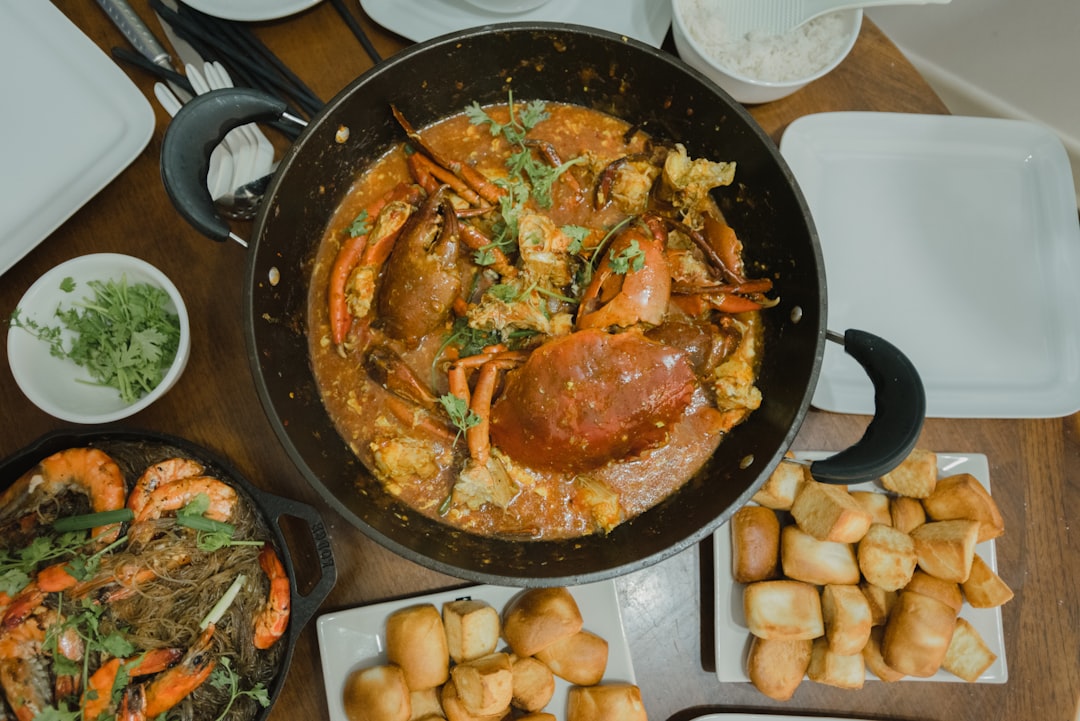
Introduction: The Culinary Landscape of Spain in 2026
Spain, a country steeped in rich history and vibrant culture, boasts a culinary scene as diverse as its landscapes. From the sun-soaked coasts of Andalusia to the picturesque hills of Rioja, the country offers a feast for all the senses. Culinary traditions are deeply woven into the fabric of Spanish culture, making it an essential part of any travel experience. This article highlights the must-try dishes in Spain for 2026, showcasing culinary traditions that are as rich and colorful as the nation itself. With captivating flavors and innovative dishes, the culinary landscape of Spain is a journey waiting to be savored.
The Allure of Tapas
No culinary journey in Spain is complete without indulging in tapas, small plates brimming with an array of flavors, textures, and ingredients. Originally designed to accompany drinks, these delightful bites have transformed into standalone meals enjoyed by both locals and tourists alike. In 2026, tapas continue to evolve, embracing local ingredients and innovative presentations that capture the spirit of Spanish cuisine.
One can’t help but savor staples like patatas bravas—crispy fried potatoes served with a spiced tomato sauce, the mouthwatering croquetas filled with jamón or seafood, and gambas al ajillo—sizzling shrimp cooked in garlic and olive oil. In the charming streets of Seville or Granada, exploring local taverns provides an authentic experience where you can discover hidden gastronomic gems. Booking a tapas tour can make this culinary adventure even more delightful, allowing you to sample a variety of dishes while learning about their cultural significance.
Paella: A Feast from Valencia
Another quintessential Spanish dish that has gained international fame is paella, originating from the Valencia region. Traditionally composed of rice, saffron, and various ingredients like chicken, rabbit, or seafood, paella not only tantalizes your taste buds but also tells a story of community and tradition. The communal nature of this dish makes it perfect for family gatherings and celebrations.
Each year, cooking schools and local restaurants perfect their paella recipes, blending tradition with modern twists. In 2026, expect to see gourmet versions featuring unexpected ingredients like octopus or even plant-based versions catering to vegetarians and vegans looking to explore authentic flavors. To dive deep into the world of paella, joining a cooking class provides an excellent opportunity to learn the art of making this iconic dish from seasoned chefs.
Discovering Region-Specific Specialties
Traveling through Spain unveils a treasure trove of regional specialties, each representing local cultures and traditions. In 2026, ensure your itinerary includes sampling pulpo a la gallega from Galicia, a delightful octopus dish served with paprika and olive oil that captures the essence of the sea. Don’t miss the opportunity to head to Asturias for fabada asturiana, a hearty bean stew that warms the soul and delights the palate.
Each region boasts its own unique flavors and cooking techniques, offering travelers the chance to experience Spain’s gastronomic diversity. The north is famous for its seafood, while the south flaunts robust flavors and spices from Mediterranean influences. Enhance your culinary journey with a wine tasting tour in renowned wine regions such as La Rioja or Ribera del Duero, where locally produced wines beautifully complement the flavors of regional dishes.
[travel_bot_media_text type=”right-to-left” id=”000001234567″ content=”Sample exquisite seafood dishes in the northern coast, rich in flavors and culinary traditions that echo centuries of influence and adaptation.”]
Check Out New Trends in Spanish Cuisine
As we step into 2026, Spanish cuisine is not just about tradition but also about innovation. Chefs across Spain are increasingly incorporating global influences into their dishes while maintaining the essence of Spanish flavors. Vegan and vegetarian adaptations of traditional recipes are emerging, catering to a health-conscious audience that still desires authentic taste experiences.
Expect restaurants to offer dishes that are not only delicious but visually stunning, utilizing local produce in creative ways and highlighting the beauty of food presentation. Additionally, many chefs are focusing on sustainable practices, ensuring that ingredients are sourced ethically and reflect the local terroir. Restaurants like Tickets in Barcelona are already leading the way in culinary innovation and should be on your radar for an unforgettable meal.
Don’t Forget the Desserts!
Finish your culinary tour of Spain with traditional desserts that embody the sweet side of Spanish culture. Churros con chocolate are a must-try, with their crispy exterior and gooey chocolate dip that tantalizes the taste buds. The Tarta de Santiago, a traditional almond cake, beautifully represents the local flavors and would be a perfect sweet ending to your dining experience.
Wander the vibrant streets of Madrid or Valencia to find charming cafes serving these irresistible sweets. Pair them with a cup of rich Spanish coffee for a complete sensory experience with each bite transporting you to the heart of Spanish heritage and celebration.


Conclusion: Savor the Flavors of Spain in 2026
Spain’s culinary scene in 2026 offers a unique blend of tradition and innovation, inviting travelers to explore every flavor and dish that this vibrant country has to offer. From tapas to paella, seafood delights to rich desserts, your culinary journey in Spain promises to be nothing short of unforgettable. So, pack your bags and prepare your taste buds for an adventure that celebrates the essence of Spanish culture.
This culinary guide has connected you to the flavors of Spain. As you prepare for your visit, consider exploring related articles that enhance your knowledge of Spanish culture, such as Spain’s Unique Festivals or Top Tourist Cities in 2026 for more insights into what makes Spain a must-visit destination. Your journey awaits, and every meal will tell a story of tradition, culture, and culinary artistry.