Introduction to India’s Cultural Heritage
India, a land of diverse cultures, traditions, and histories, offers an extraordinary tapestry that reflects centuries of evolution. From breathtaking landscapes to vibrant festivals, India captivates every traveler. This article dives deep into the unique cultural aspects of India, exploring its rich traditions, historical milestones, and the people who bring these customs to life. India is not just about its scenic beauty but is also an embodiment of an intricately woven narrative that spans thousands of years, making it one of the most fascinating destinations in the world.
The Historical Tapestry of India
The history of India is a rich narrative woven with various threads. The Indus Valley Civilization, one of the world’s oldest urban cultures, laid the foundation for the subcontinent, establishing trade and agriculture that continue to influence India today. Following this era, various empires, including the Maurya, Gupta, Mughal, and British Raj, shaped the cultural landscape of India through architecture, art, philosophy, and governance.
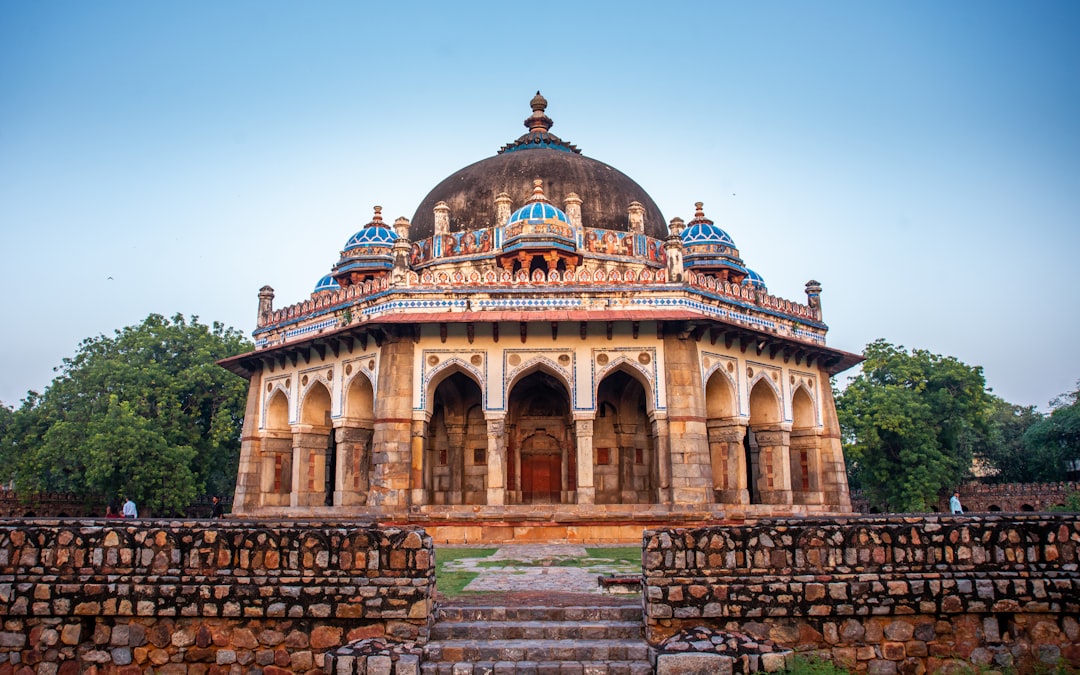
Places such as heritage sites play a crucial role in preserving this history. The architectural beauty of the Taj Mahal, the grandeur of Jaipur’s forts, and the ancient ruins of Hampi tell stories that transcend generations. These monuments are not only testaments to India’s glorious past but are also vital for understanding the cultural evolution that defines contemporary India. Each site offers a glimpse into the artistic prowess and spiritual depth of the civilizations that constructed them.
Festivals: A Kaleidoscope of Colors
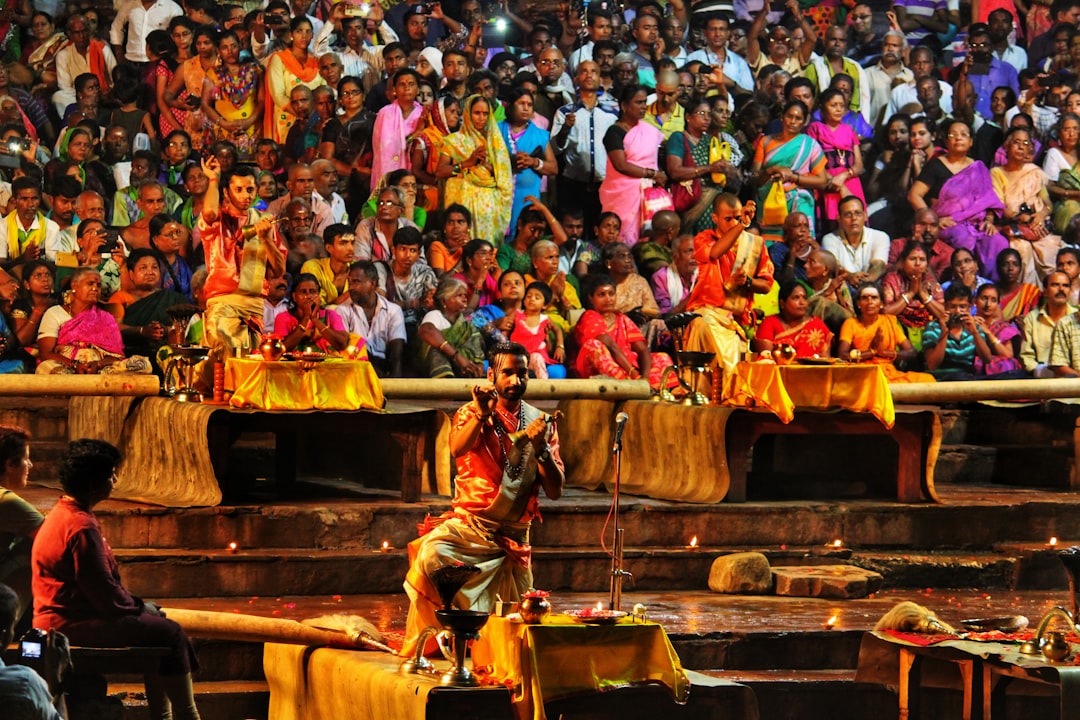
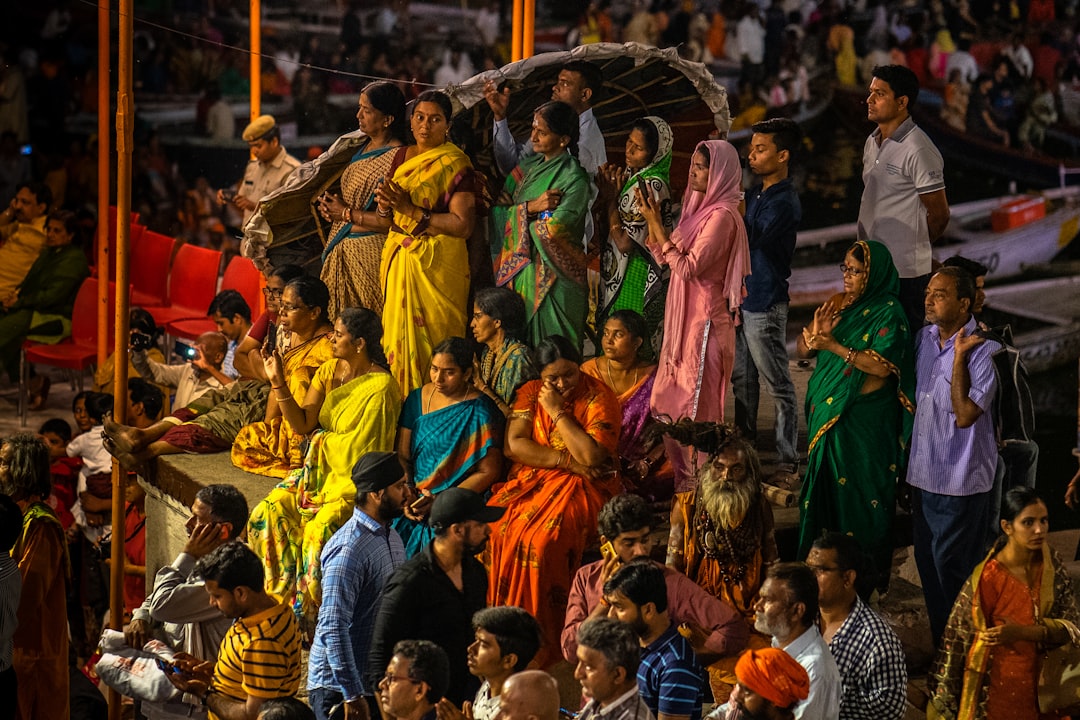
India’s festivals are vibrant celebrations that showcase its diverse cultural fabric. Major festivals like Diwali, Holi, Eid, and Christmas unite people from different backgrounds, fostering a sense of community and shared joy. Each festival comes with its unique traditions, rituals, and special culinary delights, making India a year-round celebration of life and faith.
During Diwali, the festival of lights, homes are adorned with diyas (oil lamps) and vibrant rangolis, symbolizing the victory of light over darkness. Holi, celebrated with colors, symbolizes the arrival of spring and the triumph of good over evil. These festivals not only bring families together but also attract visitors from around the globe. The atmosphere during these times is electric, with music, dance, and festivities permeating the air, creating an unforgettable experience.

Diwali Festival in India
Holi Celebration in India

Rakhi Festival in India
Unique Customs and Traditions
India’s customs are as diverse as its geography. From traditional greetings like ‘Namaste’ to the ritual of tying a rakhi on Raksha Bandhan, each tradition has a rich significance. Moreover, the diversity in dialects, clothing, and cuisines represents the unity within diversity. In Northern India, you’ll find people donning shawls and turbans, while in Southern states, bright silks and sarees dominate.
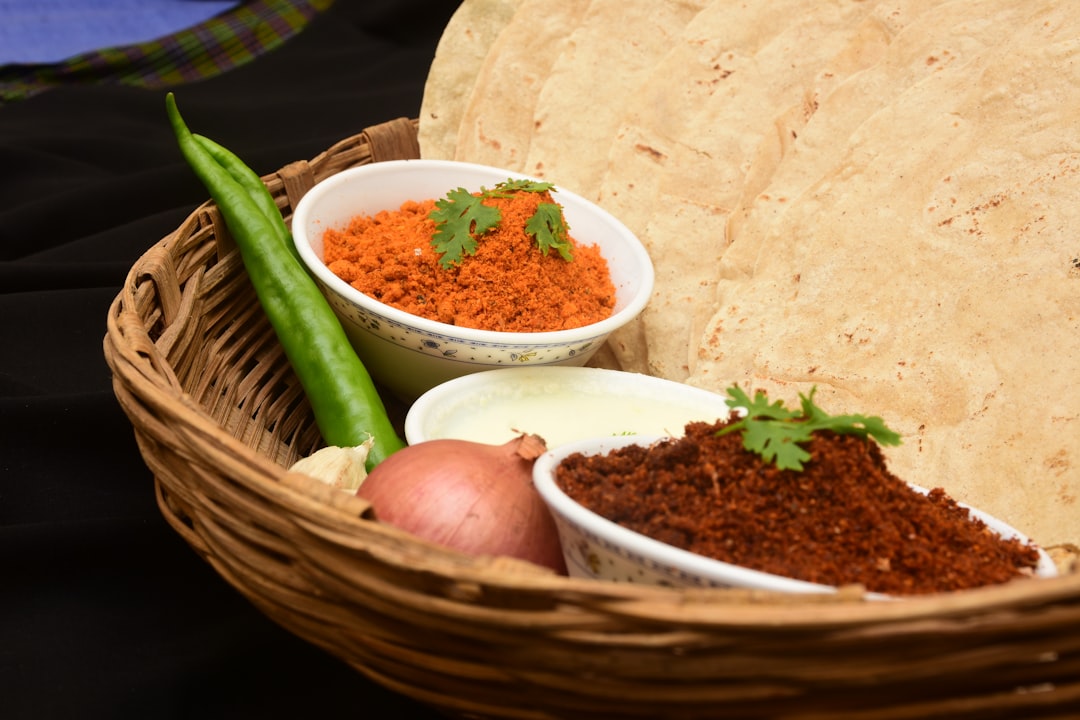
Culinary traditions vary significantly based on regional ingredients and historical influences; for instance, Northern India is famous for its wheat-based cuisines, whereas Southern India prides itself on rice dishes and coconut-based curries. Each meal tells a story, with spices and flavors intricately blended to create a symphony of taste that reflects India’s rich cultural heritage.
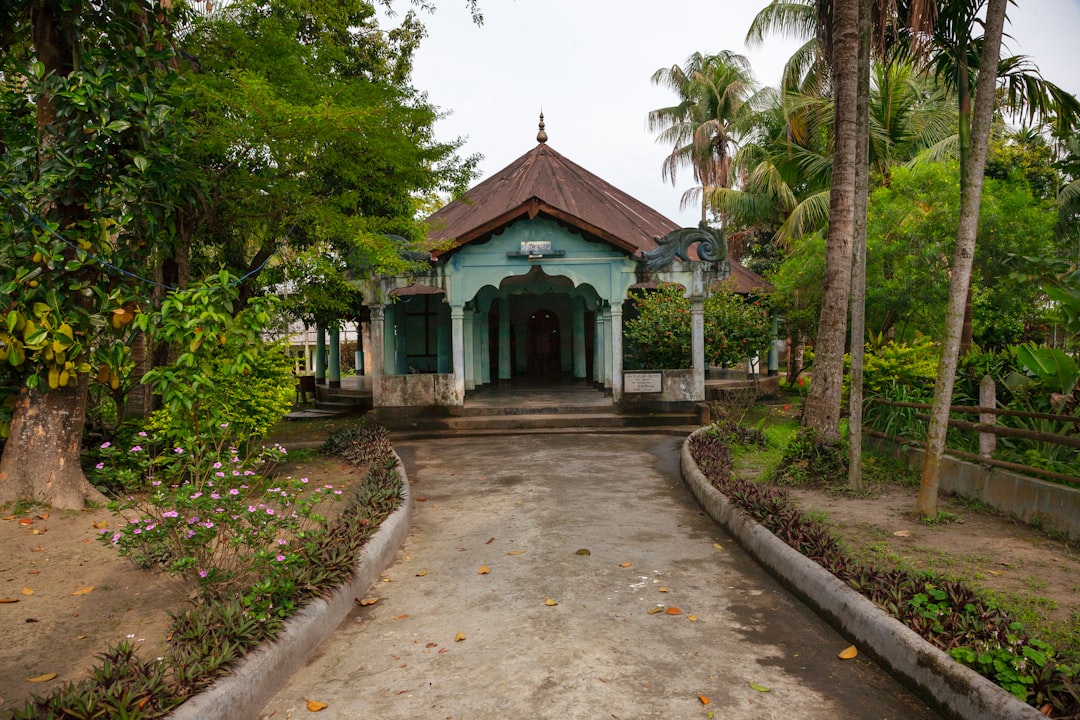
Exploring Indian customs reveals a land that celebrates diversity, with each community adding its unique flavor to the cultural mosaic.
The Vibrancy of Indian Arts
Indian arts encompass a myriad of forms, including music, dance, painting, and crafts. Classical dance forms such as Bharatanatyam, Kathak, and Odissi narrate historical and mythological tales through graceful movements, often performed during festivals and ceremonies.
Furthermore, Indian music has a rich legacy with two primary systems: Hindustani (North Indian) and Carnatic (South Indian). Each region exhibits its unique style, creating an emotional connection through melodies. The raga (melodic framework) and tala (rhythmic cycle) form the essence of Indian classical music, often resonating deeply with the listeners.
Local arts and crafts vary widely, from the intricate designs of Himachali shawls to the exquisite Mughal-inspired paintings and vibrant pottery of Rajasthan. Each region is celebrated for its unique crafts, promoting traditional techniques that have been passed down through generations, capturing the beauty of Indian heritage.
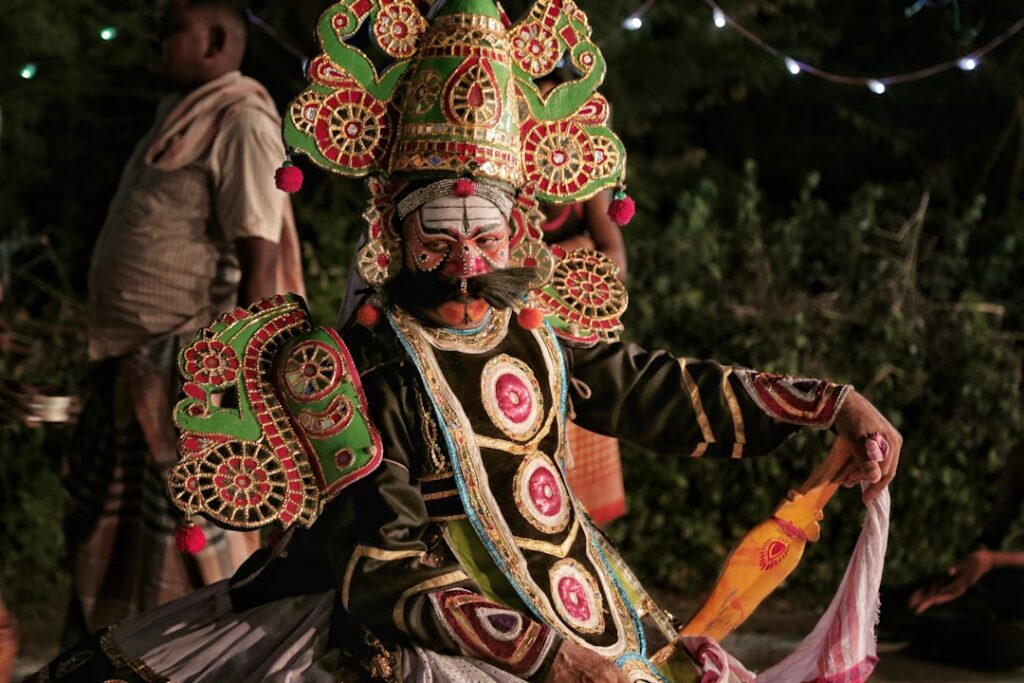
Engaging with the People
To truly experience India, engaging with its people is a must. The warmth and hospitality of locals envelop travelers’ spirits, as they share stories and historical insights. Visiting local markets, attending cultural workshops, or partaking in traditional meals is central to understanding India at a deeper level.
Furthermore, platforms like Viator help travelers connect with local guides, enhancing exploration and providing personalized experiences. These interactions not only enrich the travel experience but also foster meaningful connections, helping bridge cultural gaps.
Conclusion: The Journey of a Lifetime
Exploring India’s cultural heritage is stepping into a realm full of enchanting experiences. Whether it’s through its festivals, traditions, or art, India promises a journey of rediscovery and profound connections. With every corner turned, there’s a story waiting to be unraveled, an experience that lingers long after the journey ends.
If you’re ready to embark on an extraordinary journey through India, make sure to check out GetYourGuide for customizable tours that suit every traveler’s desire. With a plethora of options available, there’s something for every taste and preference, ensuring an unforgettable trip.
To wrap up your journey, G Adventures offers immersive experiences that allow you to travel like a local while deeply engaging in the cultural nuances of India. Discover more options at G Adventures. Whether you’re interested in rural experiences, culinary classes, or trekking adventures, you’ll find that every journey with G Adventures is designed to offer authentic and transformative experiences.