Japan is a land where tradition meets innovation, and nowhere is this more evident than in its vibrant culinary scene. As we step into 2026, Japan’s cuisine continues to evolve, showcasing regional flavors and global influences. This article will immerse you in a culinary adventure that highlights the must-try dishes across this beautiful country, ensuring your Japanese experience is as flavorful as it is memorable. With each bite, you discover not only flavors but also a rich tapestry woven from history, culture, and the artistry of food preparation.
The Essence of Japans Culinary Culture
Japanese cuisine, or washoku, is recognized by UNESCO as an Intangible Cultural Heritage of Humanity. It emphasizes seasonal ingredients, balance, and multi-sensory experiences. The attention to detail and aesthetic presentation make every dish a visual treat. Here are some essential elements that define the culinary landscape of Japan in 2026:
- Seasonality: Seasonal ingredients are at the heart of Japanese cooking, meaning that what you find on your plate changes with the seasons, from sakura (cherry blossoms) to the hearty winter root vegetables.
- Umami: This fundamental taste sensation, often described as a savory flavor, plays a significant role in Japanese cooking, enhancing flavors and bringing together the dish, making it memorable with every bite.
- Respect for Nature: Japanese cuisine is deeply rooted in nature, reflecting its changes through the use of fresh, local ingredients. Each dish narrates a story of the land, seasonality, and the artisanal craft of its maker.
Must-Try Dishes Across Japan
As you set out on your culinary journey across Japan in 2026, make sure to indulge in the following must-try dishes that represent the countrys rich gastronomic tapestry:
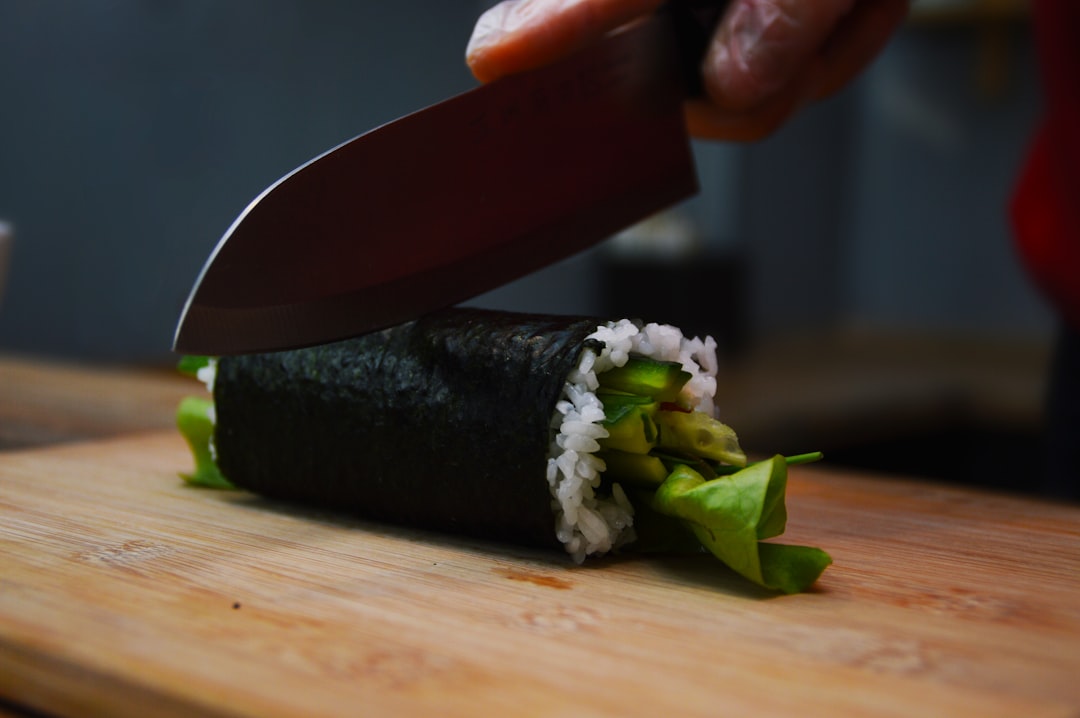

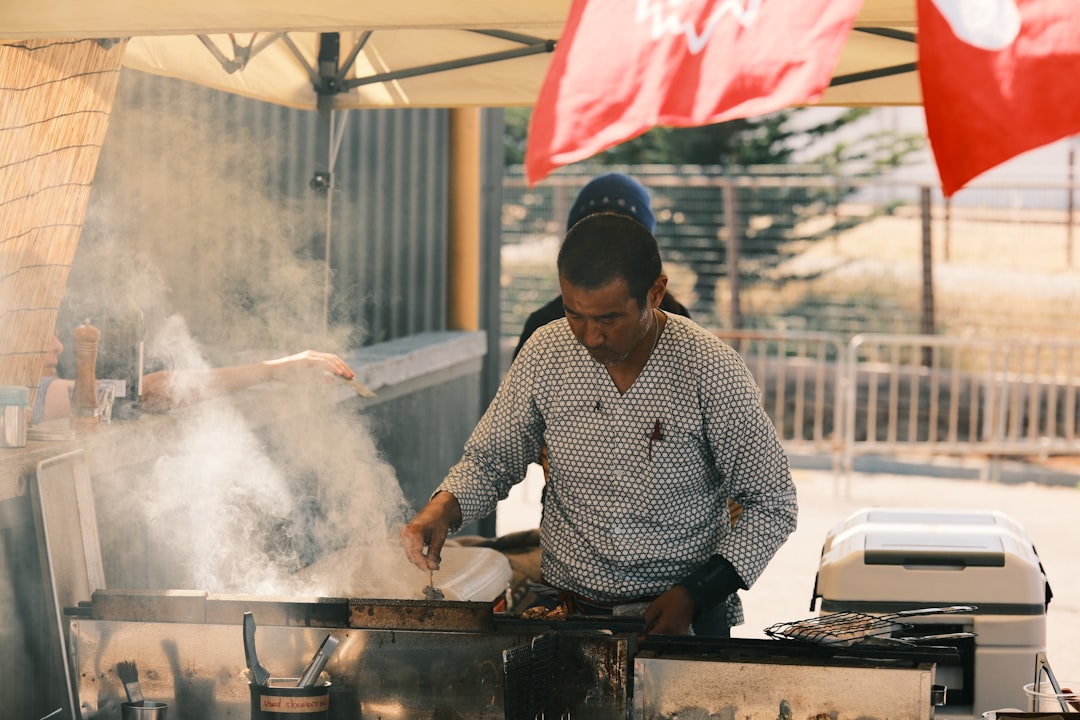
Sushi: The world-famous dish that encapsulates Japanese cuisine. From nigiri to maki, sushi is an absolute must. Starting in Tokyo, try the freshest sushi bars in Tsukiji Outer Market, where you can experience the catch of the day. Sushi represents not just a meal but an art form, epitomizing simplicity and exquisite flavor balance.
Ramen: Originally inspired by Chinese cuisine, ramen has evolved into a distinctly Japanese dish. Each region has its own unique broth and toppings. Be sure to try the tonkotsu (pork bone) soup of Fukuoka or the miso ramen in Hokkaido, each presenting an experience that reflects its regional flavors and traditional preparation methods.
Okonomiyaki: Hailing from Hiroshima, this savory pancake filled with a variety of ingredients, including cabbage, seafood, and meat, can be customized to your liking. Enjoying okonomiyaki at a teppanyaki grill adds to the fun experience, with the chef creating the meal before your eyes, ensuring many smiles and delicious flavors.
Soba and Udon: Noodle lovers should try soba (buckwheat noodles) and udon (thick wheat noodles), paired with delicious dipping sauces or hot broth. These are particularly popular in the colder months, providing warmth and comfort that is quintessentially Japanese, strengthening the connection to culture and seasonality.
Culinary Experiences not to Miss
Beyond just eating the dishes, dive deeper into the culinary experiences Japan offers in 2026. Here are some extraordinary experiences you shouldnt miss:
- Street Food Tours: Join a guided street food tour in Osaka to discover hidden gems and the best places to sample local snacks such as takoyaki (octopus balls) and kushikatsu (deep-fried skewers), celebrating the city’s vibrant food culture.
- Cooking Classes: Participate in a cooking class where you can learn how to make sushi or ramen from local chefs, and take a piece of Japan back home with you. Experiences like these foster a deeper connection with the ingredients and techniques that make Japanese cuisine unique.
- Tea Ceremonies: Experience the art of the Japanese tea ceremony, a beautiful ritual that embodies harmony, respect, purity, and tranquility while giving insight into Japanese hospitality and culture.
Best Local Markets for Culinary Delights
To explore the local flavors, visit these renowned markets:
- Tsukiji Outer Market (Tokyo): Famous for seafood, sushi bars, and ambient food stalls, this market is a sensory delight where the hustle and bustle adds to the culinary atmosphere.
- Nishiki Market (Kyoto): Known as “Kyoto’s Kitchen,” it offers a myriad of traditional foods that reflect the area’s rich culinary heritage, from pickles to sweets.
- Omicho Market (Ishikawa): Renowned for its fresh seafood offerings and local delicacies, it’s a paradise for food lovers exploring the Noto Peninsula.
Making Reservations
Booking a culinary tour enhances your experience. Consider tours from reliable platforms to guarantee authentic experiences:
For exclusive food experiences in Japan, check out Viator for carefully curated culinary tours that showcase diverse regional flavors.
Similarly, GetYourGuide offers a variety of food tours that highlight Japan’s unique culinary world.
Advanced booking through platforms like G-Adventures can help you secure your spots in popular food venues that tend to get filled quickly.


Conclusion
Japan’s culinary scene in 2026 is not just about eating; its a cultural journey filled with flavors, experiences, and memories. From traditional dishes to modern food fusions, every meal is an opportunity to explore Japans rich heritage. Prepare your palate for an unforgettable adventure! Embrace the magic of Japan’s diverse culinary offerings, and allow them to guide your journey through the islands, cities, and countryside of this incredible nation.
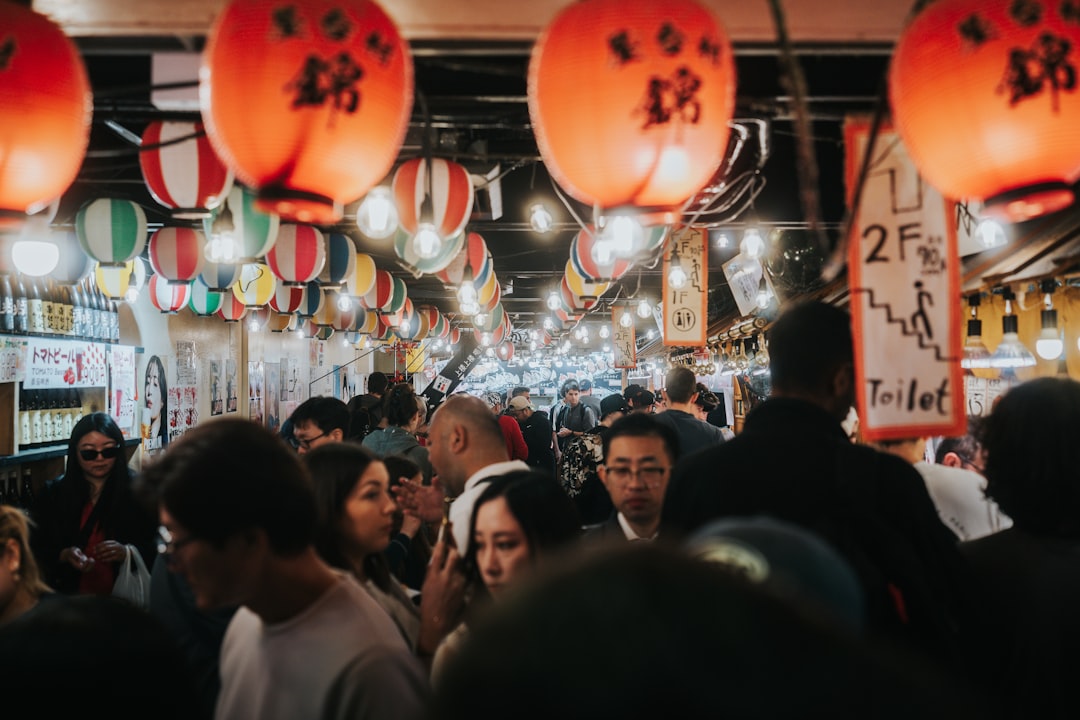
Nishiki market in Kyoto with food stalls
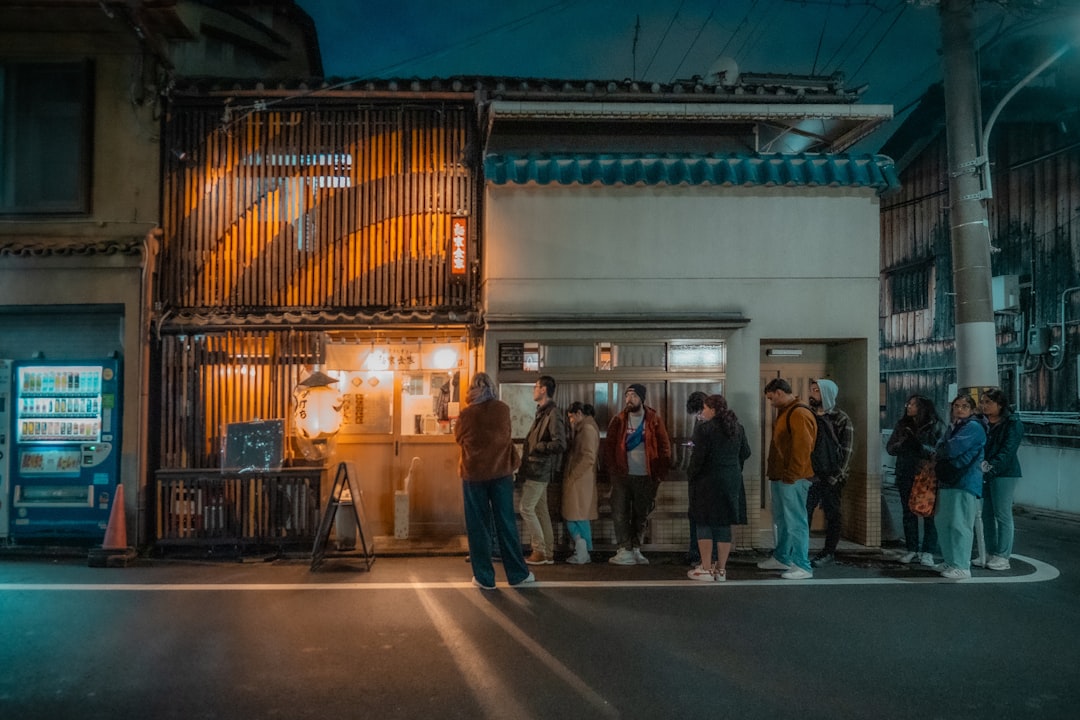
Delicious street food offerings in Osaka

Beautiful Japanese tea ceremony setup
Embrace Japans culinary magic, and let it guide your journey in 2026. Every dish tells a story; let each meal be a chapter in your own Japanese adventure.