Introduction: The Unique Traditions of the United Kingdom
The United Kingdom is a land overflowing with distinct traditions that paint a rich tapestry of history and culture. This captivating country is a blend of cultures, languages, and customs, each contributing to its fascinating allure. From ancient festivals to quirky local customs, exploring the unique traditions of the UK offers insight into the heart and soul of its people.
The History Behind Tradition
The history of the UK is like the threads of an intricate tapestry, weaving together various cultural influences. The Celts, Romans, Saxons, Normans, and other groups have enriched British customs over the centuries, creating an extensive legacy that is alive today. These historical intersections are reflected in everything from architecture to food. In towns and cities, historical landmarks reveal a story that spans thousands of years, with every brick and stone echoing the tales of those who walked before us.
The Role of Music and Dance in Cultural Celebration
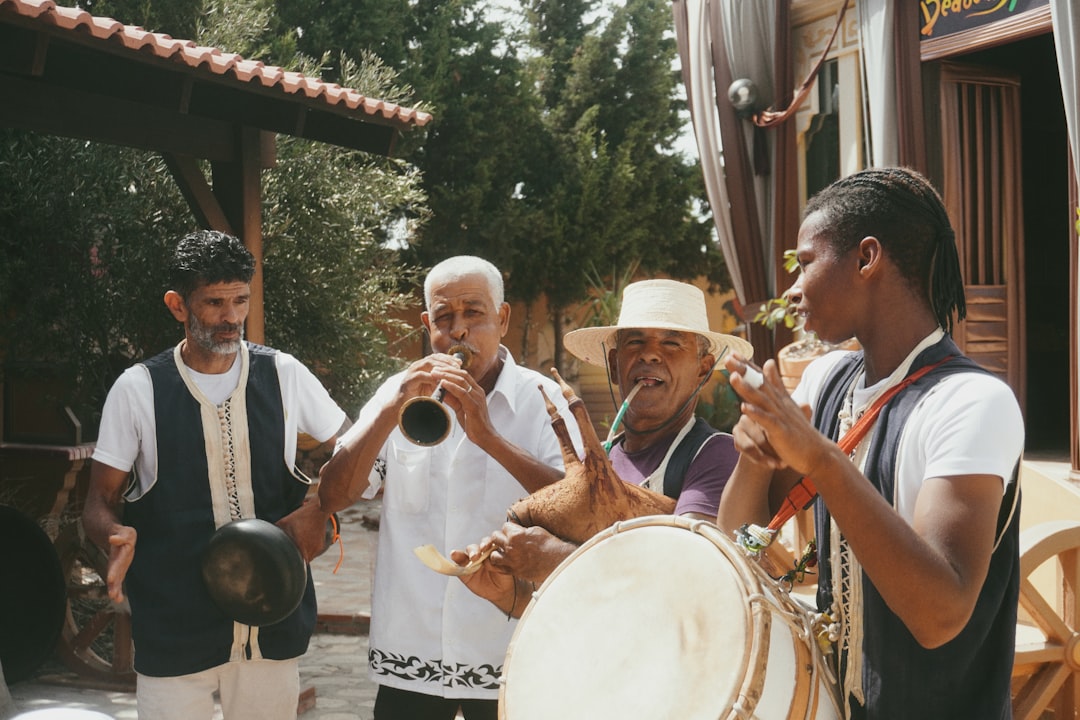
Music and dance hold crucial roles in the UK’s traditions, with folk dances such as Morris dancing, a vibrant display often performed at local festivals. The rhythmic sounds of traditional music echo through the countryside during numerous celebrations, showcasing the passion and unity of communities. Folk music, steeped in history, draws from the everyday lives of people, celebrating joys, sorrows, and the passage of the seasons.
The practice of Morris dancing typically involves men dressed in white with colorful decorations, dancing to the sounds of bells and sticks. Events often attract large crowds, creating a festive atmosphere. These gatherings not only bring joy but also foster community spirit and connect generations through shared heritage. In addition to Morris dancing, other folk traditions include ceilidh dances, which invite everyone to join in, making them vibrant social events filled with laughter and camaraderie.
Crowd participating in La Tomatina tomato event
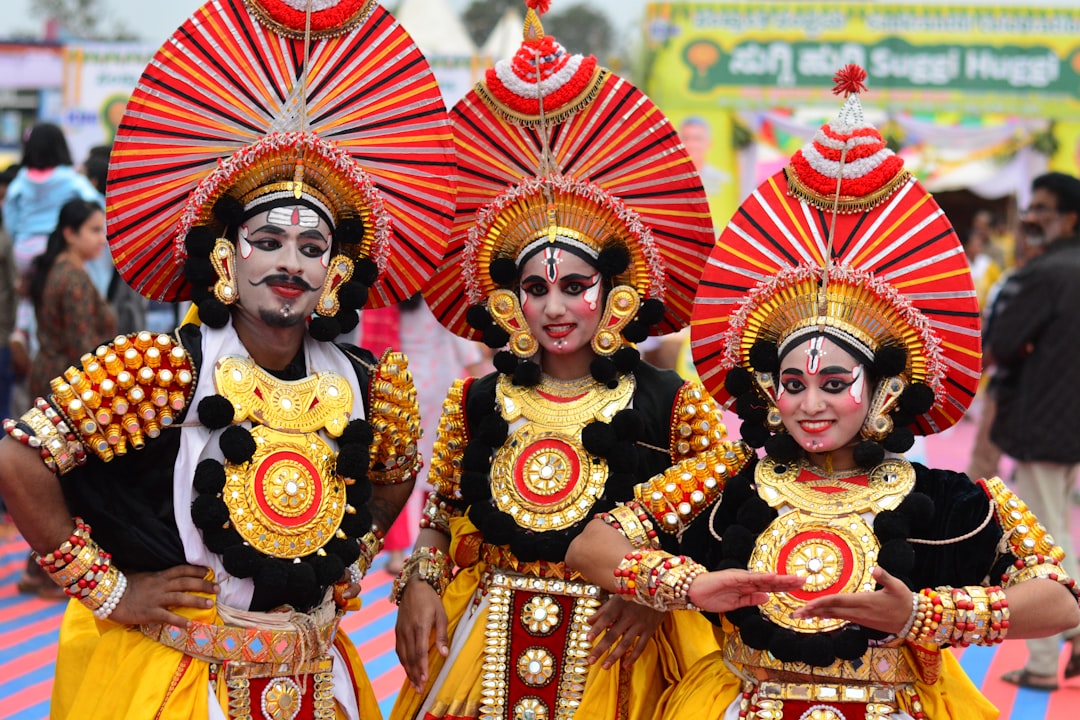
Notting Hill Carnival parade.

Cheese rolling at Cooper's Hill.
Festivals and Their Significance
Throughout the year, the UK hosts a wealth of traditional festivals that celebrate its diverse heritage. One notable example is Notting Hill Carnival, a vibrant creation originating from Caribbean immigrants in London. It combines elaborate costumes, pulsating music, and culinary delights, reflecting the multicultural reality of contemporary Britain. The carnival serves as both a celebration of culture and a call for unity, drawing people from all walks of life to partake in the festivities.
Another significant event is the Highland Games in Scotland, encompassing athletic competitions, Scottish culture, and Celtic tradition. These games promote camaraderie and foster a sense of pride in Scotland’s rich heritage. Visitors can engage in activities like caber tossing and tug-of-war, watching as participants test their strength and ability in a friendly competition that builds community spirit and showcases traditional skills.

The Notting Hill Carnival is a vibrant cultural showcase on the streets of London, making it one of the largest street festivals in Europe.
Quirky Local Customs
The UK is dotted with fascinating quirky customs that reflect the nation’s character. One such tradition is the Cheese Rolling at Cooper’s Hill, an iconic event where participants chase a runaway cheese wheel down a steep hill. The first person to reach the bottom wins the cheese! It’s a hilariously dangerous endeavor that brings together locals and tourists alike, illustrating the whimsical yet competitive spirit of the British.
Similarly, the Fool’s Day events on April 1 have a long history in the UK, where amusing pranks are executed, showcasing a lighthearted side of British culture. These customs reveal the humor embedded in British life, providing residents with an opportunity to partake in jovial festivities and creative banter. More than just playful tricks, these events serve as a reminder of the importance of laughter and community connections in daily life.



Food Traditions and Gastronomic Celebrations
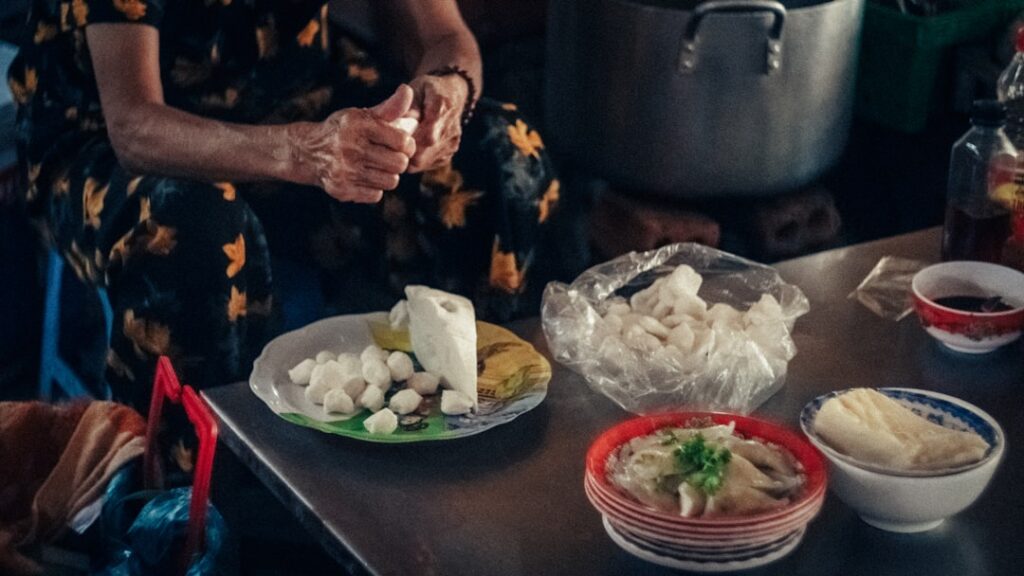
The culinary landscape of the UK is equally rich in tradition, with foods that symbolize various aspects of British culture. For example, the annual British Cheese Weekender celebrates local cheeses by hosting tastings, workshops, and exhibits across the country, highlighting the diversity of homegrown flavors. These events appreciate the craftsmanship of local producers and elevate the cheese’s status as a culinary delight that deserves recognition.
Additionally, afternoon tea is a treasured British institution that has long been synonymous with social gatherings. It combines tea, delightful pastries, and savory sandwiches into an experience steeped in etiquette and exuberance. Experiencing afternoon tea not only fills the stomach but also provides an insight into British hospitality—a ritual where conversations flow over cups of tea and flavors, fostering connections between friends and families.
Conclusion: Embracing the Traditions
Exploring the traditions of the United Kingdom offers a unique perspective into the culture that binds its people. These customs are not merely relics of the past; they reflect the evolving identity of the UK, narrative threads that link generations and communities. Whether you find yourself participating in a colorful festival, enjoying the warmth of afternoon tea, or watching an amusing cheese rolling competition, there’s no denying that the traditions of the UK create a bond between its citizens and visitors alike, fostering an appreciation for shared heritage.
To fully experience these rich traditions, consider booking a cultural tour with Viator or explore local activities through GetYourGuide for a unique adventure. Together, these experiences provide travelers with insights into the lively customs and traditions that define the UK.
This exploration is not just about observing but immersing oneself in a dynamic culture that’s always evolving while holding tightly to its beautiful heritage. With each tradition, you discover more about the character of the people, their history, and the vibrant future they forge together.