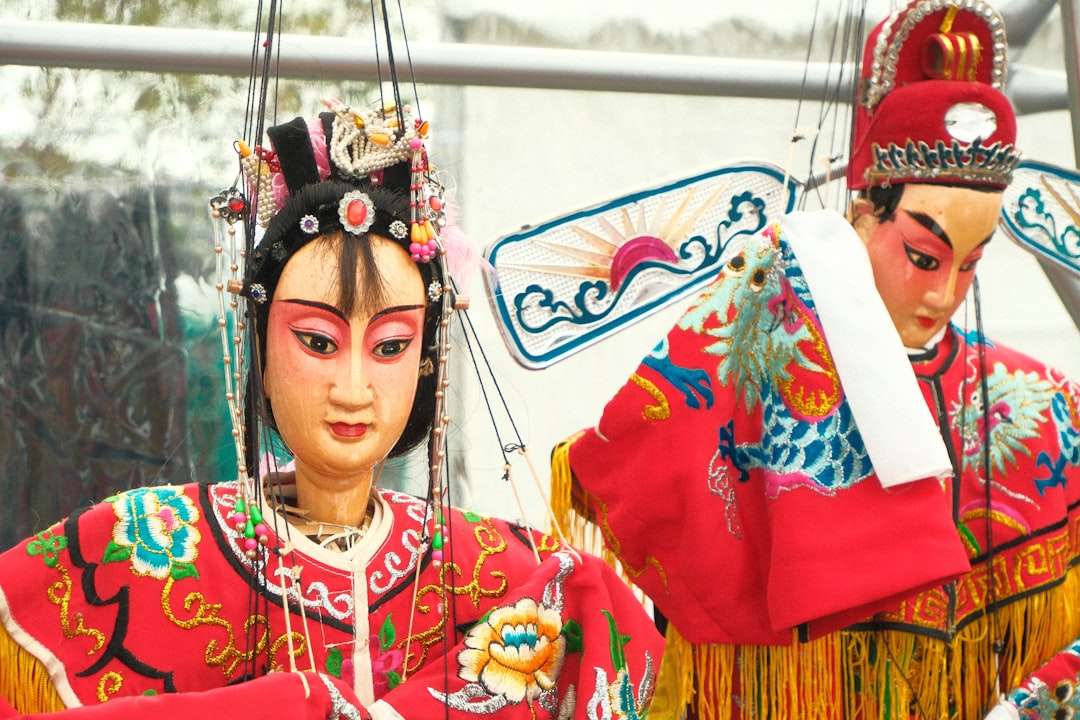
Introduction
Vietnam is a country filled with rich landscapes, warm-hearted people, and a vibrant tapestry of festivals that reflect its cultural heritage. Each year, locals and visitors enthusiastically partake in festivities steeped in history, providing a unique insight into Vietnamese customs and traditions. In this article, we will explore Vietnam’s most captivating cultural festivals, highlighting their significance and inviting you to be part of this incredible experience. From the bustling streets of Ho Chi Minh City to the serene landscapes of Hanoi, the festivities offer an array of sensory experiences that engage visitors from around the globe.
The Significance of Festivals in Vietnamese Culture
Festivals in Vietnam are more than just celebrations; they are an expression of the country’s soul. Often linked to agricultural cycles, religious beliefs, and historical events, these occasions serve to strengthen community bonds and preserve cultural identity. Traditional rituals are performed, ancestral respect is upheld, and collective joy is experienced throughout the country. Festivals provide a platform for local artisans and performers to showcase their skills, allowing visitors to immerse themselves in the vibrant cultural tapestry of Vietnam. Through music, dance, and food, festivals become a gateway to understanding the local way of life.
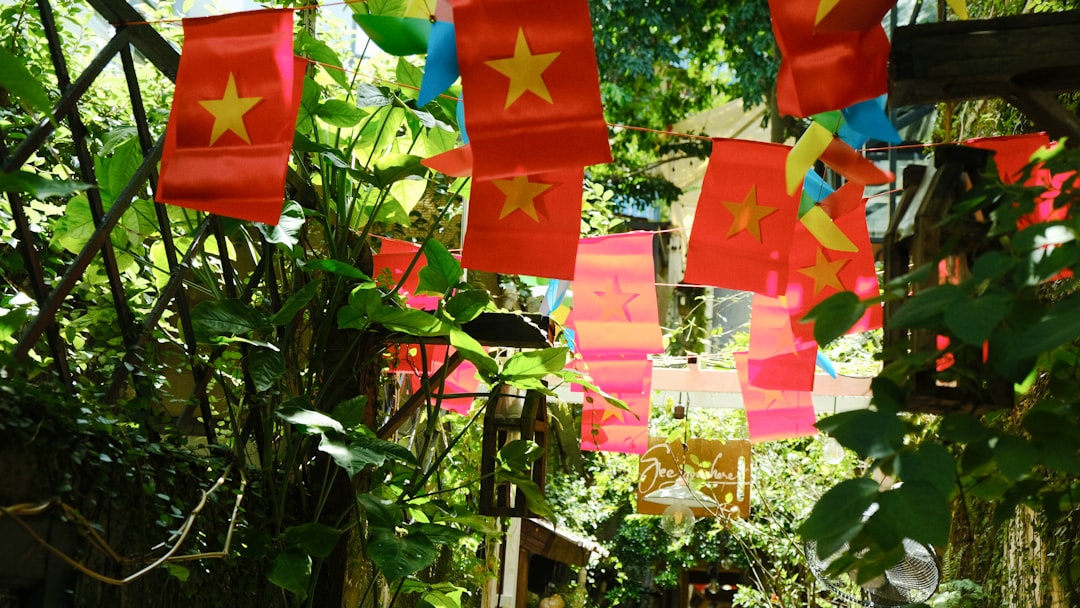
Lunar New Year in Vietnam
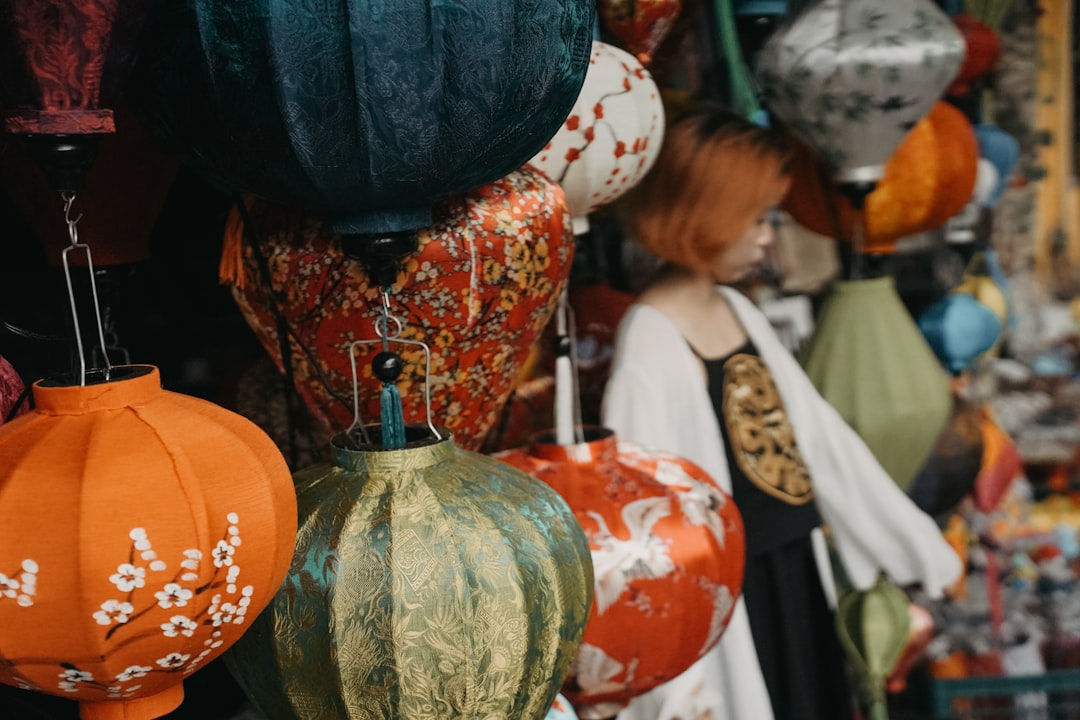
Children celebrating Mid-Autumn Festival in Vietnam
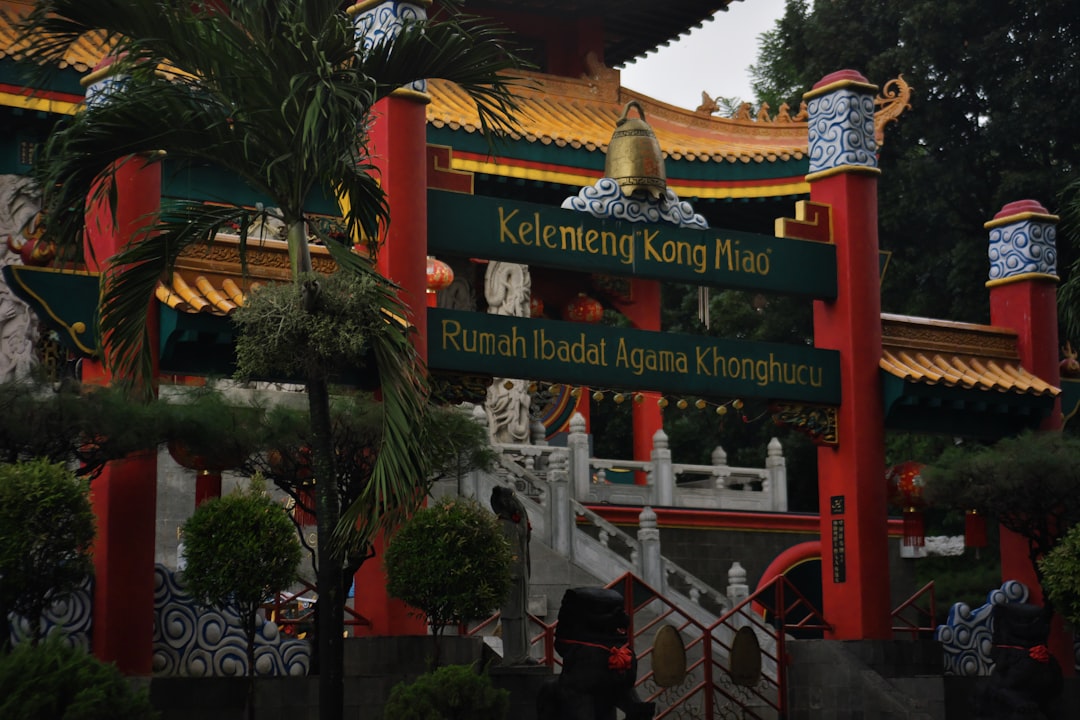
Celebration at Hung Kings' Temple Festival
Lunar New Year (Tết Nguyên Đán)
The most notable festival is Tết Nguyên Đán, or the Lunar New Year, marking the beginning of the lunar calendar. It is a time for family reunions, paying respects to ancestors, and welcoming new beginnings. Homes are meticulously cleaned and decorated with peach blossoms in the north and yellow apricot flowers in the south, symbolizing prosperity and happiness. The preparations involve buying new clothes, preparing special dishes, and setting up altars to honor the ancestors, showcasing the rich culinary heritage of Vietnam.
Celebrations include the preparation of traditional dishes such as bánh chưng and bánh tét (square and cylindrical sticky rice cakes), lion dances, and folk games, showcasing Vietnam’s rich culinary heritage. This festival encapsulates the essence of Vietnamese culture, as families gather to share stories and aspirations for the new year. Each regional variant of Tết adds layers of diversity, creating a tapestry of experiences that highlight the dynamic nature of Vietnamese culture.
This festival is celebrated nationwide, but its essence may vary between regions. In the north, customs are more traditional, while the south showcases vibrant outdoor festivities, parades, and fireworks, making it a spectacle of color and life that draws tourists and locals alike.
Vietnam's Lunar New Year, a heartfelt celebration of family and traditions, captivating all who experience it.
The Mid-Autumn Festival (Tết Trung Thu)
Another significant celebration is the Mid-Autumn Festival, occurring on the 15th day of the lunar calendar’s eighth month. Known for celebrating harvest and bright moonlight, it is particularly cherished by children. Lantern processions, mooncakes, and traditional games create a festive atmosphere that resonates throughout the communities. Parents often share the legends of the moon goddess and the moon rabbit, imparting the stories that enrich this magical night.
Families often prepare bánh nướng (baked mooncakes) and bánh dẻo (soft mooncakes) as offerings to the moon while sharing stories and gifts among loved ones. Children delight in colorful paper lanterns as they parade through the streets, basking in the moon’s glow. The festival not only strengthens familial connections but also fosters a sense of belonging amid the wider community.
Children celebrating Mid-Autumn Festival in Vietnam
Local Variations of the Mid-Autumn Festival
In various regions, local practices enhance the festival’s charm. For instance, in Ho Chi Minh City, large parades showcase elaborate floats and performances, while villages celebrate with games that honor their heritage. Each locality adds its twist to the celebration, demonstrating the diverse customs across Vietnam. The rich variety of mooncake flavors—from green tea to salted egg yolk—reflects regional tastes, making each bite a cultural experience.
The Hung Kings’ Temple Festival
This festival honors the Hùng Kings, the legendary founders of Vietnam. Observed on the 10th day of the third lunar month, it attracts thousands of pilgrims to Phu Tho Province, where the Hùng Kings’ Temple is located. Visitors can partake in religious ceremonies, cultural performances, and offerings to the ancestors, which embody the respect and gratitude the Vietnamese people hold for their roots. The vibrant atmosphere is heightened by traditional music, folk performances, and the smell of incense lingering in the air.
The festival encompasses traditional games, craft demonstrations, and contests, rekindling a sense of pride in national identity. The participation of districts from across the country fosters a spirit of unity and national pride, appealing to the younger generation to embrace their heritage.
The Hung Kings' Temple Festival serves as a reminder of Vietnam's resilience and rich history through diverse celebrations.
Traditional Festivals from Various Ethnic Groups
Vietnam is a melting pot of cultures, home to over 50 ethnic groups, each with unique traditions and festivals. Ethnic minorities observe festivals that mirror their histories and lifestyles, such as the Hmong New Year and the Thay Pagoda Festival, each featuring vibrant costumes, traditional music, generous feasts, and ritual dances. These festivals not only celebrate their cultural heritage but also promote community solidarity and preservation of ancient customs amid rapid modernization.
The participation of various ethnic groups enriches the cultural fabric of Vietnam, showcasing the importance of community and respect for traditions. Festivals provide a unique opportunity for cultural exchange and the safeguarding of intangible heritage, making them essential experiences for both locals and tourists.
Conclusion: Embracing Vietnam’s Cultural Richness
Vietnam’s festivals are undoubtedly captivating, offering an inviting glimpse into the nation’s culture and history. Whether you are wandering through the colorful streets during Tết or joining lively celebrations at local temples, experiencing these festivals can leave an everlasting memory. Be sure to plan your visit around these vibrant events to immerse yourself fully in Vietnam’s rich cultural heritage! Each festival is a journey that takes you deeper into the heart of Vietnam, allowing you to engage with its people, their stories, and its breathtaking landscapes.
To plan your travels and join these wonderful festivals, consider booking local tours through Viator. Get your insight on local customs and festivities with organized tours perfect for enriching your travel experience! Immerse yourself in hands-on activities, taste traditional delicacies, and create unforgettable memories as you embrace the rich traditions of Vietnam. Don’t miss out on the opportunity to be part of something truly special!